
Pain Relief
Period Pain Home Remedies: What Actually Works (And When to See a Doctor)
If you have ever found yourself curled up with a hot water bottle, desperately Googling period pain home remedies at 2am, you are absolutely not alone. Millions of people in the UK experience menstrual cramps every month, and the range of advice out there, from wellness influencers to well-meaning aunties, can be genuinely overwhelming. Here is the reassuring truth: recent research has given us a much clearer picture of which home remedies actually help, and some of the most effective ones are probably already in your kitchen.
Period pain (medically called dysmenorrhoea) affects up to 80% of people who menstruate at some point in their lives1. For many, it is manageable. For others, it is genuinely debilitating. The good news is that a solid combination of evidence-backed home strategies can make a real difference, and knowing when to seek further help is just as important as knowing which remedies to try.
Immediate Home Remedies for Period Pain: Fast Relief in Minutes
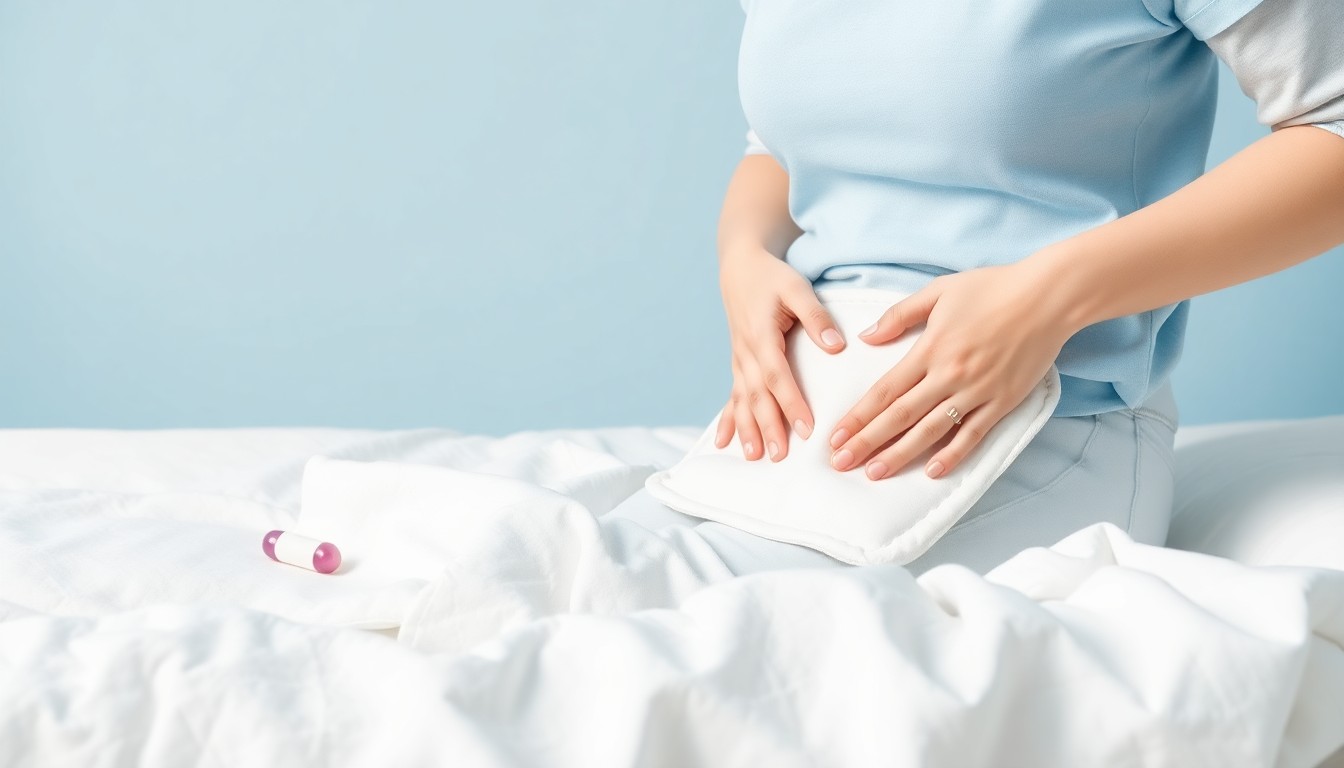
When cramps hit hard, you want relief now. Not in three days after you have changed your diet. Right now. So let’s start with what actually moves the needle quickly.
Heat: The Most Reliable Fast-Acting Remedy
Heat therapy is probably the single most effective period pain home remedy for immediate relief. Applying warmth to your lower abdomen at around 38 to 40 degrees Celsius helps relax the uterine muscles that contract and cause cramping. A hot water bottle, a microwavable wheat bag, or a self-adhesive heat patch all work well. Some people find relief within just a few minutes of applying heat, making it genuinely useful when pain spikes suddenly.
One study published in evidence reviews found that continuous low-level heat was as effective as ibuprofen for period pain relief. That is a pretty remarkable finding for something that costs almost nothing and has zero side effects (beyond the obvious: do not apply heat directly to bare skin for extended periods, as burns are a real risk).
Over-the-Counter Pain Relief
Non-steroidal anti-inflammatory drugs (NSAIDs) like ibuprofen work by reducing prostaglandins, the hormone-like chemicals that cause the uterus to contract. According to NICE guidance, NSAIDs are one of the most effective treatments for primary dysmenorrhoea2. Taking ibuprofen at the first sign of cramps, rather than waiting until pain is severe, tends to give much better results. Always follow the dosage instructions and check with a pharmacist if you have any health conditions that might make NSAIDs unsuitable for you.
Paracetamol is a gentler option if ibuprofen is not suitable, though it works differently and may be less effective for cramping specifically. Still worth having in the medicine cabinet.
Breathing and Relaxation Techniques
This one gets eye-rolls. Understandably. When you are in real pain, being told to breathe deeply feels a bit patronising. But here is the thing: slow, diaphragmatic breathing genuinely activates the parasympathetic nervous system, which can reduce muscle tension and lower pain perception. It will not eliminate severe cramps on its own, but combined with heat and pain relief, it can take the edge off meaningfully.
Try breathing in for four counts, holding for four, and out for six. Even five minutes of this during a pain spike can help your body shift out of the stress response that often amplifies pain.
Heat Therapy and Physical Positions to Ease Period Cramps
We have covered heat, but position matters too. A lot, actually.
The Best Resting Positions for Period Cramps
- Foetal position: Lying on your side with knees drawn up to your chest reduces tension on the abdominal muscles and is the most commonly reported position for cramp relief.
- Supine with elevated knees: Lying on your back with a pillow under your knees takes pressure off the lower back, which often aches during periods.
- Child’s pose: A gentle yoga stretch where you kneel and fold forward, resting your forehead on the floor. This opens the lower back and pelvis and can provide surprising relief.
- Cat-cow stretch: On all fours, alternating between arching and rounding your back. Gentle movement helps shift blood flow and ease muscle tension.
My sister swears by the foetal position with a heat pad tucked against her stomach. She has tried all sorts over the years, and she keeps coming back to that combination. Simple. Effective. Sorted.
Foods and Drinks That Help Reduce Period Pain
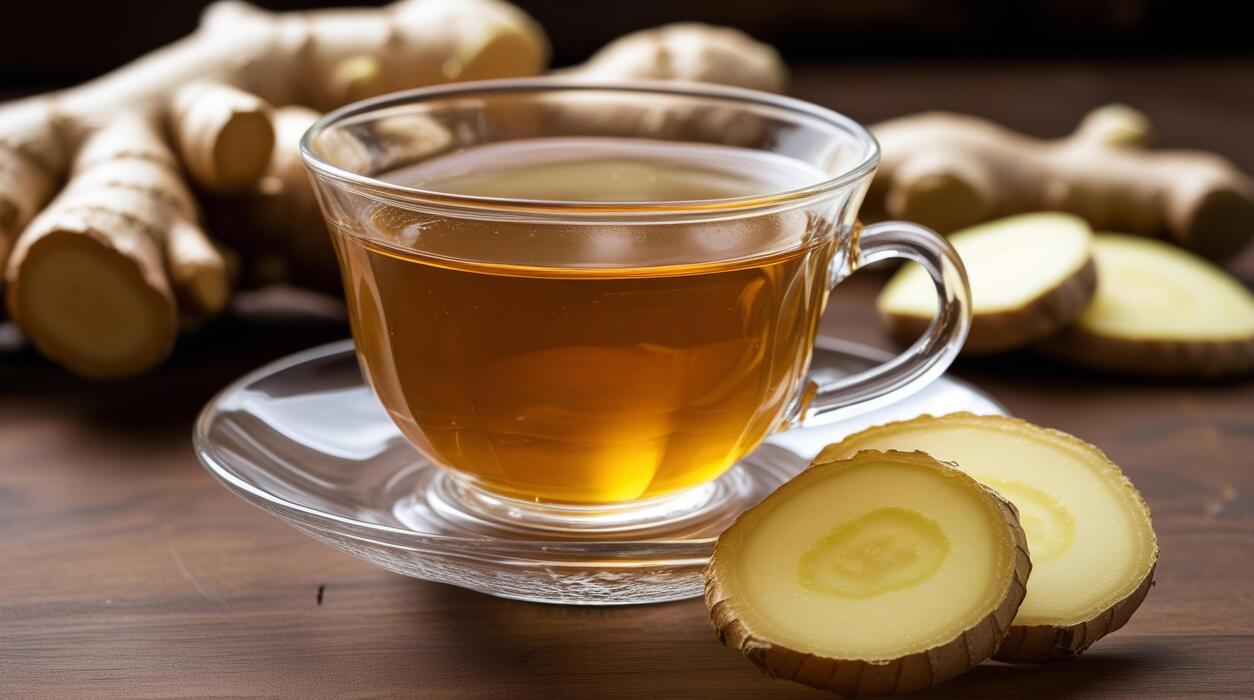
What you eat in the days around your period can genuinely influence how severe your cramps are. This is not wellness fluff. There is real science here.
Anti-Inflammatory Foods
Period cramps are driven largely by prostaglandins, which are inflammatory compounds. Eating an anti-inflammatory diet in the days before and during your period can help keep prostaglandin activity in check. Foods worth including:
- Oily fish (salmon, mackerel, sardines): Rich in omega-3 fatty acids, which have been shown to reduce menstrual pain severity3.
- Leafy greens (spinach, kale, broccoli): High in magnesium and calcium, both of which support muscle relaxation.
- Berries and cherries: Contain antioxidants that help reduce systemic inflammation.
- Nuts and seeds: Particularly walnuts and flaxseeds for their omega-3 content.
- Turmeric: Curcumin, the active compound in turmeric, has anti-inflammatory properties. Add it to soups, curries, or warm milk.
Drinks That Help With Period Cramps
Ginger tea is probably the most evidence-backed drink for period pain. A study published in PubMed found that ginger was comparable to ibuprofen in reducing menstrual pain severity when taken in the first few days of a period4. You can make a simple version by simmering a few slices of fresh ginger in water for ten minutes, then adding honey and lemon.
Other helpful drinks include:
- Chamomile tea: Contains compounds that may help relax uterine muscles and reduce anxiety, which can amplify pain.
- Warm water with lemon: Hydration is genuinely important. Dehydration can worsen bloating and muscle cramps.
- Raspberry leaf tea: Traditionally used to ease menstrual cramps, though the evidence is mostly anecdotal. Worth trying if you enjoy herbal teas.
- Peppermint tea: Has antispasmodic properties that may help with cramping and nausea.
Anyway, the point is not to overhaul your entire diet overnight. Small, consistent changes in the week before your period can add up to a noticeable difference over a few cycles.
Natural Supplements and Herbal Remedies for Period Relief
Supplements are a popular area of period pain home remedies, and for good reason. Some have genuinely encouraging evidence behind them.
Supplements With Evidence
| Supplement | Evidence Level | Suggested Use |
|---|---|---|
| Magnesium | Good | 200-400mg daily, especially in the week before your period |
| Omega-3 fatty acids (fish oil) | Good | 1-2g daily throughout the month |
| Vitamin D | Moderate | Daily supplement, especially in winter months in the UK |
| Ginger (capsule or tea) | Moderate | 250mg capsules four times daily during menstruation |
| Turmeric / Curcumin | Emerging | 500-1000mg daily with black pepper for absorption |
| Vitamin B1 (Thiamine) | Moderate | 100mg daily, shown to reduce dysmenorrhoea in some trials |
Magnesium deserves a special mention. It is one of the most common nutritional deficiencies in the UK, and low magnesium is associated with increased muscle cramping and heightened pain sensitivity. Many people report a noticeable improvement in period pain after a few months of consistent magnesium supplementation. It is not an overnight fix, but it is worth trying over a full cycle or two.
Traditional Methods: How Different Cultures Treat Period Cramps
It is genuinely fascinating how many cultures have developed their own period pain home remedies over centuries. And some of them hold up surprisingly well under modern scrutiny.
East Asian Traditional Approaches
In traditional Korean and Chinese medicine, period pain is often understood as stagnation of qi (energy) and blood in the uterus. Warming therapies are central, including moxibustion (burning dried herbs near acupuncture points), warm ginger and brown sugar drinks, and avoiding cold foods and drinks during menstruation. The avoidance of cold is interesting because modern physiology does support the idea that warmth helps uterine muscle relaxation.
Acupuncture for period pain has actually been studied reasonably well. Some systematic reviews suggest it can reduce pain intensity and duration compared to no treatment, though the evidence is not yet strong enough for it to be routinely recommended by NICE. That said, if you find it helpful and can access it, there is no reason not to try it.
South Asian and Middle Eastern Traditions
Warm fenugreek seed water is a traditional remedy across parts of South Asia and the Middle East. Fenugreek contains compounds with anti-inflammatory and antispasmodic properties, and a small number of studies have shown it may reduce menstrual pain. Ajwain (carom seeds) steeped in warm water is another traditional Indian remedy with antispasmodic properties.
Western Herbal Traditions
In European herbal medicine, cramp bark (Viburnum opulus) has been used for centuries specifically for menstrual cramps. As the name suggests. It is thought to work by relaxing smooth muscle. Evidence is limited but it remains a popular choice in herbal medicine practice. Valerian root, more commonly known as a sleep aid, has also been used for period pain relief.
But I digress. The broader point is that cultures across the world have converged on similar principles: warmth, anti-inflammatory plants, and rest. That convergence is meaningful.
Foods and Drinks to Avoid During Your Period
Just as important as what to eat is what to limit. Some foods actively worsen period pain by increasing inflammation or causing bloating and fluid retention.
What to Reduce or Avoid
- Alcohol: Increases inflammation, disrupts sleep quality, and can worsen mood changes associated with PMS. A proper double-whammy you do not need.
- Caffeine: Can cause vasoconstriction and increase muscle tension, potentially intensifying cramps. It also disrupts sleep, which matters because rest is genuinely helpful during your period.
- Sugary foods and fizzy drinks: Spike blood sugar, contribute to bloating, and can worsen mood swings.
- Salty processed foods: Sodium causes water retention and bloating, which amplifies discomfort.
- Red meat: High in arachidonic acid, a precursor to prostaglandins. Reducing red meat intake in the days around your period may help lower cramping.
- Dairy (for some people): Some individuals find dairy worsens bloating and cramping, though this varies considerably. Worth experimenting with.
Cutting out caffeine and alcohol in the two days before your period starts is one of the simplest, most impactful changes you can make to reduce overall period discomfort.
Exercise and Stretching Routines for Menstrual Cramp Relief
Exercise is probably the last thing you feel like doing when cramps are bad. Completely understandable. But gentle movement genuinely helps, and the evidence for it is solid.
Why Exercise Helps
Physical activity releases endorphins, which are the body’s natural painkillers. It also improves blood flow to the pelvic region, which can reduce the ischaemia (reduced blood supply) that contributes to cramping. Regular aerobic exercise throughout the month has been shown to reduce the severity of dysmenorrhoea over time.
The key word is gentle. You do not need to go for a run when you are in pain. A 20-minute walk, some light yoga, or a simple stretching routine can be enough to shift your pain level meaningfully.
A Simple Stretching Routine for Period Cramps
- Child’s pose: Hold for 30 to 60 seconds. Breathe deeply into your lower back.
- Cat-cow stretch: 10 slow repetitions. Focus on the movement in your lower spine.
- Supine twist: Lying on your back, draw one knee to your chest and gently guide it across your body. Hold 30 seconds each side.
- Butterfly stretch: Sitting, bring the soles of your feet together and gently press your knees toward the floor. Hold 60 seconds.
- Low lunge: Step one foot forward into a lunge, drop the back knee to the floor. This opens the hip flexors, which can reduce referred pain to the lower abdomen.
Do this routine once or twice a day during your period. It takes about ten minutes and most people notice a difference within a cycle or two of making it a habit.
When Period Pain Is Severe: Understanding Pain Levels and Warning Signs
Here is something important. Period pain is common, but severe period pain is not something you simply have to put up with. There is a meaningful difference between normal cramping and pain that signals something that needs medical attention.
Primary vs Secondary Dysmenorrhoea
Primary dysmenorrhoea is period pain without an underlying medical cause. It is caused by prostaglandins and typically starts within a day or two of your period beginning, peaking in the first 24 to 48 hours. This is the type that responds well to the home remedies covered in this article.
Secondary dysmenorrhoea is pain caused by an underlying condition such as endometriosis, adenomyosis, fibroids, or pelvic inflammatory disease. This type of pain may start earlier in the cycle, last longer, and be more severe. It often does not respond well to standard over-the-counter treatments.
Red Flags: When to See a GP
According to NHS guidance, you should speak to a GP if1:
- Your period pain regularly prevents you from carrying out normal activities (work, school, social life).
- Your pain does not improve with ibuprofen or paracetamol taken correctly.
- You experience pain between periods or during sex.
- Your periods have become heavier than usual.
- Your pain has changed in character or has become progressively worse over time.
- You experience fever, unusual vaginal discharge, or pain when urinating alongside period pain.
Look, there is still a cultural tendency to dismiss period pain as something to just get on with. That attitude is genuinely unhelpful and, frankly, a bit rubbish. Endometriosis alone affects roughly 1 in 10 people who menstruate in the UK, and the average time to diagnosis is still around eight years. If your pain feels severe or is affecting your quality of life, please do speak to a GP. You deserve to be taken seriously.
A GP can investigate potential underlying causes, discuss hormonal treatment options, or refer you to a gynaecologist if needed. Home remedies are valuable, but they are not a substitute for medical assessment when something feels wrong.
This content is for informational purposes only and does not constitute medical advice. Always consult a qualified healthcare professional before starting any new supplement, herbal remedy, or treatment plan. Do not use this information to diagnose or treat any health condition without professional guidance.
Related treatments from Quick Meds UK
Regulated UK pharmacy. Prescription required where applicable.
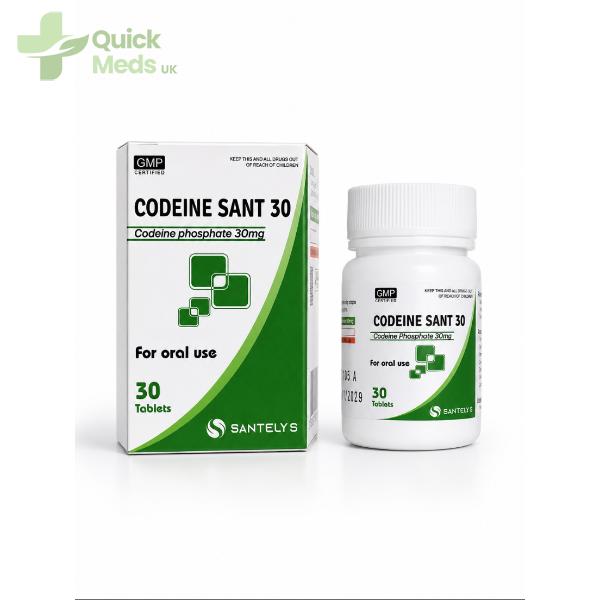
Codeine Phosphate 30mg Santelys
Codeine Phosphate 30mg Santelys for pain relief Effective for mild to moderate pain Relieves headaches, toothaches, and muscle aches
£43.50Order treatment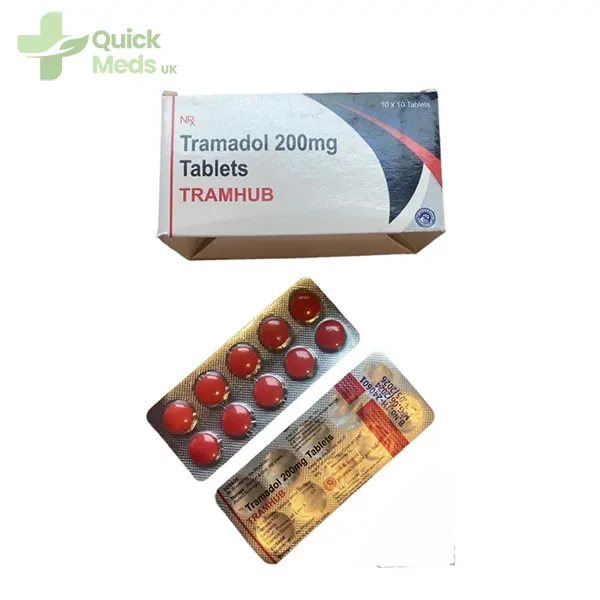
Tramadol 200mg (Tramhub) Tablets
What is Tramadol 200mg by Tramhub? Tramadol 200mg an opioid pain relief medication used for the relief of moderate to severe pain. Tramadol
£54.00Order treatment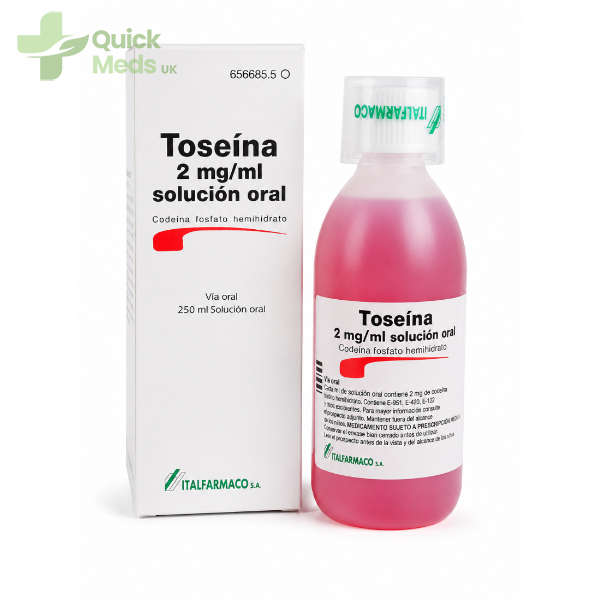
Toseina Codeine Phosphate hemihydrate 2mg
Toseina Codeine Phosphate hemihydrate 2mg for relief Effective pain management
£79.99Order treatment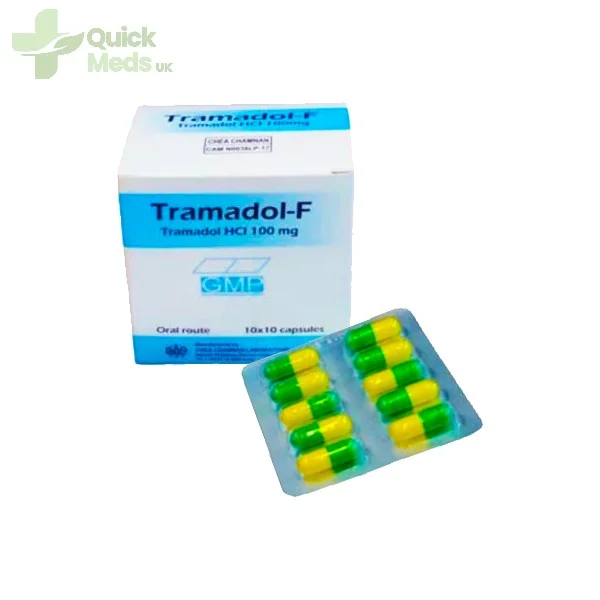
Tramadol-F HCI 100mg (Price Reduction)
Price reduction on all quantities Tramadol HCL medication is used to help relieve moderate to moderately severe pain. Tramadol is similar to
£42.00Order treatment
Tapentadol Aspadol 200mg Pain Relief
Tapentadol 200mg is used to help relieve moderate to severe short-term pain (such as pain from an injury or after surgery). It belongs to a
£60.00Order treatment
Co codamol Tablets 30mg
Order treatmentTreatments listed here are offered subject to online consultation. GPhC-registered pharmacy.
References
- Period pain (dysmenorrhoea) – NHSnhs.uk
- Dysmenorrhoea – NICE Clinical Knowledge Summarycks.nice.org.uk
- Omega-3 fatty acids and dysmenorrhoea – PubMedpubmed.ncbi.nlm.nih.gov
- Ginger for menstrual pain – PubMedpubmed.ncbi.nlm.nih.gov
Frequently asked questions
What period pain home remedies work fastest for immediate relief?
Heat therapy is one of the fastest-acting period pain home remedies, with some studies suggesting it can ease cramps within minutes of application. Placing a hot water bottle or heat pad on your lower abdomen at around 40 degrees Celsius helps relax the uterine muscles that cause cramping. Over-the-counter pain relief such as ibuprofen (if suitable for you) can also act within 20 to 30 minutes. Combining heat with a comfortable resting position tends to give the best quick results.
What foods and drinks help with period pain home remedies approaches?
Anti-inflammatory foods like oily fish, leafy greens, nuts, and berries can help reduce the prostaglandin activity that drives period cramps. Ginger tea is one of the most evidence-backed drinks for menstrual pain relief. Staying well hydrated with water helps reduce bloating and muscle tension. Chamomile tea has also shown some promise in small studies for reducing cramp severity.
What position helps ease period cramps at home?
The foetal position, lying on your side with your knees drawn up to your chest, is widely reported to reduce pressure on the abdominal muscles and ease cramping. The child’s pose yoga stretch is another popular option that gently opens the lower back and pelvis. Lying on your back with a pillow under your knees can also relieve lower back pain that often accompanies period cramps. Experiment to find what feels most comfortable for you.
How do I know if my period pain is severe enough to see a doctor?
If your period pain regularly stops you from going to work, school, or carrying out daily activities, that is a sign worth discussing with a GP. Pain that does not improve with standard over-the-counter remedies, or pain that gets progressively worse over time, should be assessed professionally. Severe pain accompanied by very heavy bleeding, pain outside of your period, or pain during sex can indicate conditions like endometriosis or fibroids. Do not dismiss pain that feels out of proportion or has changed in character.
Are natural supplements effective period pain home remedies?
Some natural supplements have reasonable evidence behind them for period pain. Magnesium, omega-3 fatty acids, and vitamin D have all been studied with promising results in reducing menstrual cramp severity. Ginger and turmeric supplements also have some supporting evidence. However, supplements are not regulated in the same way as medicines, so quality varies, and you should always speak to a pharmacist or GP before starting any new supplement, especially if you take other medications.
Why do some people experience much worse period pain than others?
Period pain severity varies significantly between individuals due to differences in prostaglandin levels, uterine anatomy, hormonal balance, and underlying conditions. People with conditions like endometriosis, adenomyosis, or fibroids often experience significantly more intense pain. Lifestyle factors such as stress, diet, and physical activity levels can also influence how severe cramps feel. Genetics plays a role too, which is why period pain sometimes runs in families.
Which drinks should I avoid during my period to reduce pain?
Alcohol, caffeine, and fizzy drinks are generally worth reducing during your period. Alcohol can worsen inflammation and disrupt sleep, both of which can amplify pain perception. Caffeine can cause vasoconstriction and increase tension, potentially making cramps feel worse. Swapping these for water, herbal teas, or warm drinks tends to support a more comfortable period overall.
