
Adhd Treatment
ADHD Treatment for Children: Comparing Your Options
When a child is diagnosed with ADHD, parents are often handed a confusing mix of opinions: some clinicians push medication straight away, others insist therapy alone is enough, and the internet is full of conflicting advice. So how do you actually compare ADHD treatment for children in a way that is grounded in evidence rather than anecdote? That is exactly what this guide sets out to do.
Understanding ADHD and Why Treatment Choices Matter
ADHD (Attention Deficit Hyperactivity Disorder) is one of the most common neurodevelopmental conditions in childhood. According to published research, approximately 6 million children aged 3 to 17 years in the US alone are diagnosed with ADHD1, and UK prevalence figures are broadly similar in proportion. It affects attention, impulse control, and in many cases physical activity levels.
But here is the thing that often gets missed: ADHD is not a single, uniform condition. It presents differently across ages, genders, and individual temperaments. A treatment plan that works brilliantly for a hyperactive seven-year-old boy might be entirely wrong for a quietly inattentive ten-year-old girl. Understanding this is the starting point for any honest comparison of treatment options.
Girls with ADHD, for instance, are recognised less often than boys. They more commonly display inattentive symptoms, which are subtler and easier to overlook in a classroom setting1. This means they are frequently diagnosed later, and their treatment journeys can differ significantly. Worth bearing in mind if you are a parent wondering why your daughter’s difficulties were dismissed for years.
Behavioural Therapy vs Medication: What Works Best for Childhood ADHD?

This is the big question most parents arrive with. And the honest answer is: it depends on the child, their age, and the severity of their symptoms. But the evidence does give us a clear framework.
Behavioural therapy is recommended as the first-line treatment for younger children, particularly those under five years old, before medication is considered. It focuses on changing patterns of behaviour through structured techniques, reward systems, and parent training. The goal is to help children develop better self-regulation skills over time.
Stimulant medication tends to show faster, more pronounced effects in older children. Between 70 and 80 percent of children with ADHD experience fewer symptoms when taking stimulant medications3, which is a striking figure by any standard in child health. But faster does not automatically mean better, and medication without behavioural support rarely delivers the best long-term outcomes.
NICE guidance is fairly clear on this: for school-aged children with moderate to severe ADHD, a combination of both approaches is recommended2. Think of it less as a competition between therapy and medication, and more as two tools that work better together than either does alone.
| Treatment Type | Best For | Typical Timescale | Key Limitation |
|---|---|---|---|
| Behavioural Therapy | Younger children, mild to moderate ADHD | Weeks to months | Requires consistent parental involvement |
| Medication + Therapy (Combined) | School-aged children, moderate to severe ADHD | Days to weeks for medication; months for full benefit | Requires specialist oversight and dose adjustment |
| Medication alone | Cases where therapy access is limited | Days to weeks | Does not build long-term coping skills |
| Lifestyle strategies only | Very mild symptoms, supplementary support | Ongoing | Insufficient for moderate to severe ADHD |
Stimulant Medications for ADHD in Children: Effectiveness and Safety

Stimulant medications are the most prescribed and most studied pharmacological treatment for childhood ADHD. The two main types used in the UK are methylphenidate (commonly known by the brand name Ritalin) and dexamfetamine. Both work by increasing the availability of dopamine and noradrenaline in the brain, which helps improve focus, reduce impulsivity, and calm hyperactivity.
Methylphenidate is typically the first medication tried. It comes in both short-acting and long-acting formulations, which matters practically: a short-acting version needs to be taken multiple times a day, while extended-release versions can be taken once in the morning. For school-aged children, long-acting formulations are often preferred because they avoid the need for a lunchtime dose at school (which, as any parent knows, can be a whole logistical ordeal).
Common side effects include reduced appetite, difficulty sleeping, and occasionally increased anxiety. These are not trivial, and they are one of the main reasons some families decide medication is not right for their child, at least at a particular point in time. Managing side effects often involves adjusting the dose, changing the timing of the medication, or switching formulations.
Dexamfetamine is typically considered when methylphenidate has not produced sufficient benefit or has caused unacceptable side effects. It is also a stimulant but works slightly differently and may suit some children better.
Non-Stimulant ADHD Treatments: Alternatives to Traditional Medication
Not every child can take stimulant medication. Some have pre-existing heart conditions, anxiety disorders, or simply do not respond well. For these children, non-stimulant options are an important part of the picture.
Atomoxetine is the most commonly used non-stimulant medication for ADHD in the UK. It is a selective noradrenaline reuptake inhibitor (SNRI) and works quite differently to stimulants. Crucially, it is not a controlled drug, which some families find reassuring. The trade-off is that it takes longer to work, often four to eight weeks before the full effect is felt. Patience is required.
Guanfacine is another non-stimulant option, sometimes used when other medications have not worked or when tics are a complicating factor. It can also help with sleep difficulties, which are common in children with ADHD.
Here is the thing: non-stimulants are not a lesser option. For some children, they are the right option. The decision should always be made with a specialist who knows the child’s full medical history.
Cognitive Behavioural Therapy (CBT) for Children with ADHD
CBT is recommended by the NHS as a psychological treatment to help children with ADHD manage problem-solving, emotional expression, and self-regulation1. It is particularly useful for older children and teenagers who have the cognitive development to engage with structured talking therapy.
The approach in CBT for ADHD is practical rather than purely reflective. Children learn to identify unhelpful thought patterns, develop strategies for organising tasks, and practise techniques for managing frustration or impulsivity. A good therapist will tailor sessions to the child’s age and presentation, because CBT for a six-year-old looks very different to CBT for a fourteen-year-old.
Anyway, I remember speaking to a friend whose son was referred for CBT after a difficult year at school. She had expected it to be like traditional counselling, lots of talking about feelings. What she found was far more structured: goal-setting, problem-solving exercises, even role-playing social situations. She said it genuinely changed how her son approached challenges. But I digress.
CBT is not a quick fix. It requires regular sessions over months, and the child’s motivation and engagement matter enormously. For younger children, parent training programmes often achieve similar goals more effectively, teaching parents the techniques so they can apply them consistently at home.
Lifestyle and Environmental Strategies to Support ADHD Management
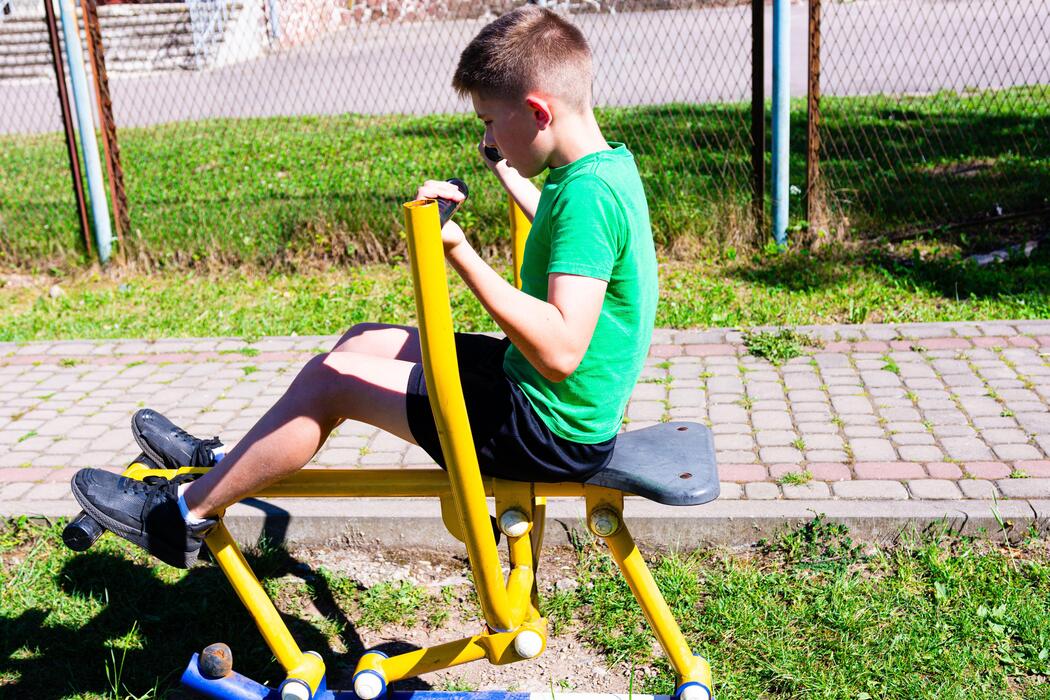
Lifestyle changes are not a replacement for clinical treatment in moderate to severe ADHD. But they are a genuinely important part of any treatment plan, and the evidence base is stronger than many people assume.
Physical exercise is probably the most well-supported lifestyle intervention. Regular aerobic activity has been shown to improve attention, reduce hyperactivity, and support mood regulation in children with ADHD. Even short bursts of activity before school or during breaks can make a measurable difference.
Sleep is another major factor. Many children with ADHD struggle with sleep, and poor sleep makes every ADHD symptom worse. Consistent bedtime routines, limiting screens before bed, and keeping the bedroom environment calm are all practical steps with real impact.
Diet and nutrition is an area where the evidence is more mixed. Some studies suggest that omega-3 fatty acid supplementation may have a modest benefit, and there is some evidence linking certain food additives to increased hyperactivity in sensitive children. But the idea that diet alone can manage ADHD is not supported by the evidence, and it is genuinely frustrating to see this overstated in some corners of the internet.
- Regular physical activity (at least 60 minutes of moderate exercise daily for school-aged children)
- Consistent daily routines and predictable structure
- Nutritious meals with regular mealtimes
- Limited screen time, particularly in the evenings
- Adequate sleep, supported by a calming bedtime routine
- Opportunities to develop social skills through structured play or group activities
ADHD Treatment Plans Across Different Age Groups
Age matters enormously in ADHD treatment. What is appropriate for a pre-schooler is quite different from what works for a teenager.
Pre-school children (under 5)
For this age group, medication is generally not recommended. Parent training programmes are the first-line intervention. These are structured courses that teach parents techniques to manage behaviour, reduce conflict, and support their child’s development. They are not about blaming parents; they are about giving families practical tools.
Primary school age (5 to 11)
This is the age group where combined treatment (medication plus behavioural therapy) is most commonly recommended for moderate to severe ADHD. School-based support becomes increasingly important, and working with teachers to put accommodations in place can make a significant difference to a child’s daily experience.
Adolescents (12 and over)
Teenagers with ADHD face unique challenges: academic pressure, social complexity, and the beginning of greater independence. CBT becomes more viable and valuable at this stage. Medication may need to be reviewed and adjusted as the young person grows. And importantly, the young person themselves should be increasingly involved in decisions about their own treatment.
Working with Schools and Healthcare Providers on ADHD Treatment
Effective ADHD treatment does not happen in a clinic in isolation. It requires coordination between parents, schools, and healthcare providers, and this is an area where many families feel let down.
Schools in England are required to make reasonable adjustments for children with ADHD under the Equality Act 2010. This might include extra time in exams, preferential seating, or a quiet space to work. Some children will have an Education, Health and Care (EHC) plan that formalises the support they receive. If your child does not have one but is struggling significantly, it is worth discussing a referral with the school’s SENCO (Special Educational Needs Coordinator).
Healthcare-wise, ADHD in children is typically managed by a specialist, usually a paediatrician or child and adolescent psychiatrist, rather than a GP alone. Regular reviews are essential to monitor treatment effectiveness, side effects, and the child’s overall development. Communication between the school and the clinical team can be invaluable, particularly when assessing whether medication doses need adjusting.
The most effective ADHD treatment for children is rarely a single intervention. It is a coordinated plan that brings together clinical support, school adjustments, and consistent home strategies.
Natural and Complementary Approaches to Managing Childhood ADHD
This is where the evidence gets thinner, but it is also an area that deserves an honest look rather than dismissal.
Some families explore omega-3 fatty acid supplements, and there is modest evidence from clinical trials that these may have a small positive effect on ADHD symptoms, particularly inattention. The effect size is not comparable to medication, but for families seeking supplementary support, it is a reasonable and low-risk option to discuss with a clinician.
Mindfulness-based interventions have shown promise in small studies, particularly for reducing emotional reactivity and improving self-regulation. Again, the evidence is not as strong as for established treatments, but mindfulness is generally low-risk and may complement other approaches.
What does not have meaningful evidence behind it: special diets (beyond avoiding specific known triggers in sensitive individuals), homeopathy, and various supplements marketed specifically for ADHD. It is genuinely frustrating to see desperate parents spending significant money on products that have no credible evidence base. The claims are often bold; the science rarely matches.
For parents wanting to compare ADHD treatment options for adults as well, perhaps for themselves or an older family member, our guide on ADHD treatment options for adults covers the evidence in similar depth.
This content is for informational purposes only and does not constitute medical advice. Always consult a qualified healthcare professional before starting any new supplement, herbal remedy, or treatment plan. Do not use this information to diagnose or treat any health condition without professional guidance.
Related treatments from Quick Meds UK
Regulated UK pharmacy. Prescription required where applicable.
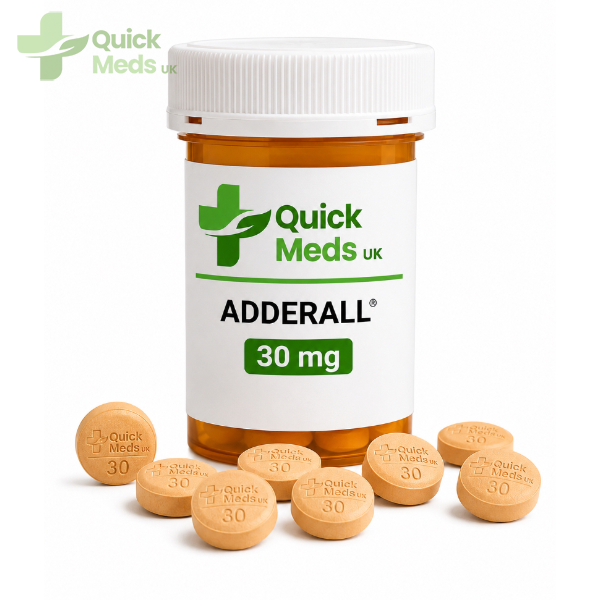
Adderall 30mg
Enhances focus and concentration Boosts mental clarity and energy Supports cognitive function
£40.00Order treatment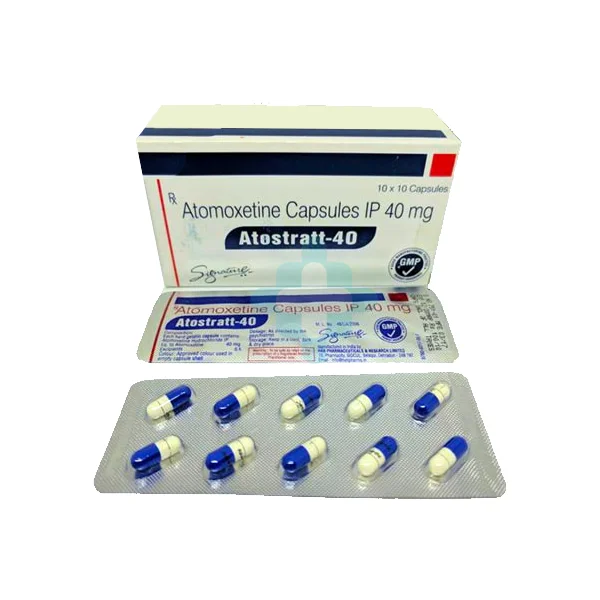
GMP Atostratt Atomoxetine 40mg
What is GMP Atostratt atomoxetine 40mg? Is indicated for the treatment of Attention-Deficit/Hyperactivity Disorder (ADHD) in children of 6 y
£37.50Order treatmentTreatments listed here are offered subject to online consultation. GPhC-registered pharmacy.
References
Frequently asked questions
What is the best ADHD treatment for children?
There is no single best ADHD treatment for children because the right approach depends on the child’s age, symptom severity, and individual circumstances. NICE guidance recommends a combination of behavioural therapy and, where appropriate, stimulant medication such as methylphenidate as the most effective strategy. Younger children (under five) are typically offered behavioural interventions first, before any medication is considered.
How effective are stimulant medications for treating ADHD in children?
Stimulant medications are among the most studied treatments in child psychiatry. Between 70 and 80 percent of children with ADHD experience fewer symptoms when taking stimulant medications, according to the CDC. However, effectiveness varies between individuals, and finding the right dose often takes several weeks of careful adjustment.
Can ADHD in children be treated without medication?
Yes, ADHD in children can be managed without medication, particularly in milder cases or in younger children. Behavioural therapy, parent training programmes, school-based support, and structured lifestyle changes can all reduce symptoms meaningfully. That said, for moderate to severe ADHD, medication is often recommended alongside these approaches for the best outcomes.
At what age can children start ADHD treatment?
Behavioural interventions can begin as soon as ADHD is identified, even in pre-school children. Medication is generally not recommended for children under five years old. For school-aged children, a full assessment by a specialist leads to a treatment plan that may include both therapy and medication depending on need.
What lifestyle changes can help reduce ADHD symptoms in children?
Regular physical exercise, consistent sleep routines, nutritious meals, and reduced screen time all have evidence behind them as supportive strategies. Structured daily routines help children with ADHD feel more in control, and teaching coping and social skills adds another layer of support. These changes work best alongside, not instead of, professional treatment.
Are there non-stimulant medication options for childhood ADHD?
Yes. Non-stimulant options such as atomoxetine are available and may be recommended when stimulants are not tolerated or not suitable. These medications work differently and may take longer to show an effect, sometimes several weeks, but can be equally important for children who cannot take stimulants.
How long does ADHD treatment take to show results?
Behavioural therapies typically show gradual improvement over weeks to months. Stimulant medications can produce noticeable changes within days, though finding the optimal dose takes longer. Non-stimulant medications may take four to eight weeks before full benefits are seen. Treatment is usually reviewed regularly by the prescribing clinician.
