
Pain Relief
Knee Pain Home Remedies: What Actually Works and When to Get Help
Knee pain home remedies are often the first port of call when your knee starts playing up, and for good reason. Most mild to moderate knee pain responds well to careful self-management at home. But knowing which approaches actually help, which are a waste of time, and when you genuinely need to see a doctor can make all the difference to how quickly you recover.
What Causes Knee Pain and When to Seek Help
Knee pain is one of the most common joint complaints in the UK, affecting people of all ages and activity levels1. The causes range widely. You might have twisted it awkwardly on the stairs, overdone it at the gym, or simply noticed it creeping up over months with no obvious trigger.
Common causes include:
- Osteoarthritis – gradual wear of the cartilage, especially common in adults over 50
- Patellofemoral pain syndrome – often called “runner’s knee”, felt around the kneecap
- Ligament sprains – from sudden twists or impacts
- Tendinitis – inflammation of the tendons around the knee from overuse
- Bursitis – swelling of the small fluid-filled sacs that cushion the joint
- Meniscus tears – damage to the cartilage pads inside the knee
Most of these respond well to home care, at least initially. But some symptoms should send you straight to a GP or A&E rather than the kitchen freezer for an ice pack.
Best Knee Pain Home Remedies for Everyday Relief

Here’s the thing: not every home remedy you’ll find online has good evidence behind it. Some are genuinely helpful. Others are rubbish. Let’s focus on what actually works.
The RICE Method: Your First Line of Defence
The RICE method (Rest, Ice, Compression, Elevation) is the most well-established first-aid approach for acute knee pain, and it’s recommended by the NHS for soft tissue injuries1. It’s not glamorous, but it works.
- Rest – Avoid activities that make the pain worse. You don’t need to lie in bed all day, but give the knee a break from heavy loading.
- Ice – Apply a cold pack (or a bag of frozen peas wrapped in a tea towel) for 15 to 20 minutes every two to three hours during the first 48 hours. Never put ice directly on skin.
- Compression – A simple elastic bandage or knee support wrap can help reduce swelling. Don’t wrap it so tightly that it cuts off circulation.
- Elevation – Prop your leg up on a pillow or cushion when sitting or lying down to help fluid drain away from the joint.
Honestly, I remember my dad dismissing this advice as “old wives’ stuff” when he hurt his knee gardening. He spent a week hobbling about before a physio friend of his told him the same thing. Two days of proper RICE and he was walking normally. Anyway, the point is: simple works.
Over-the-Counter Pain Relief
Anti-inflammatory medicines like ibuprofen (taken as a tablet or applied as a gel directly to the knee) can meaningfully reduce both pain and swelling. Paracetamol can help with pain but doesn’t address inflammation. Always read the label and check with a pharmacist if you’re unsure whether a medicine is right for you, especially if you have other health conditions or take other medicines.
Topical anti-inflammatory gels are particularly useful because they deliver the active ingredient close to where it’s needed with less risk of stomach side effects compared to oral tablets.
Heat Therapy
Heat is better suited to chronic, stiff knee pain rather than fresh injuries. A warm (not hot) heat pad or wheat bag applied to a stiff, aching knee can help loosen the joint and ease muscle tension around it. Use heat after the initial swelling has settled, typically after 48 to 72 hours.
Effective Exercises and Stretches for Knee Strengthening
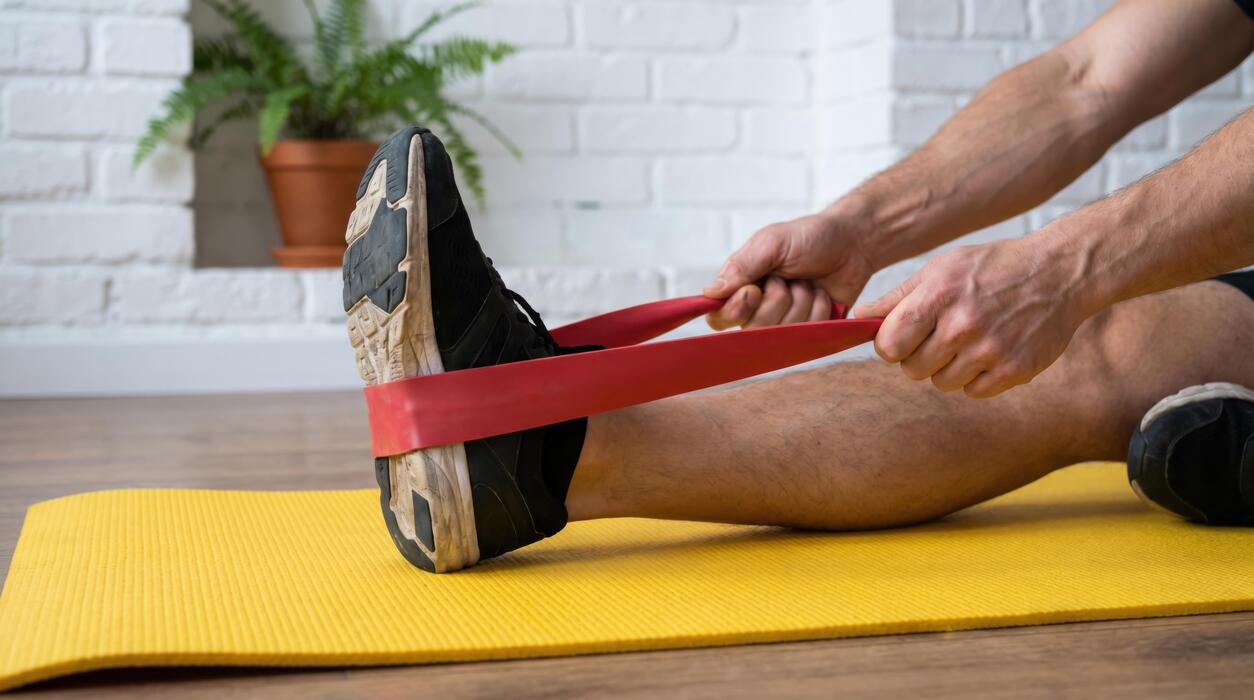
This is where a lot of people go wrong. Either they rest completely (which lets the muscles around the knee weaken) or they push through pain and make things worse. The sweet spot is gentle, progressive movement.
According to evidence reviewed by NICE, exercise therapy is one of the most effective long-term treatments for knee osteoarthritis and many other knee conditions2. The goal is to strengthen the muscles that support the knee, particularly the quadriceps at the front of the thigh and the hamstrings at the back.
Exercises That Help
- Straight leg raises – Lie on your back, bend one knee with the foot flat, then slowly lift the straight leg to the height of the other knee. Lower slowly. Repeat 10 times per side.
- Wall squats (shallow) – Stand with your back against a wall, feet hip-width apart. Slide down slightly (no more than 30 degrees) and hold for a few seconds. Build up gradually.
- Calf raises – Stand behind a chair for support, rise up onto your toes slowly, then lower. Strengthens the lower leg and improves joint stability.
- Hamstring curls – Stand holding a chair, slowly bend one knee to bring your heel towards your bottom, hold briefly, lower. Repeat 10 times each side.
- Seated knee extensions – Sit in a chair, slowly straighten one leg and hold for a few seconds, then lower. Simple but effective.
Stretches to Ease Stiffness
- Quadriceps stretch – Stand on one leg (hold a wall if needed), bend the other knee and hold your ankle behind you. Hold 20 to 30 seconds.
- Hamstring stretch – Sit on the floor with one leg straight, lean forward gently from the hips until you feel a stretch at the back of the thigh. Hold 20 to 30 seconds.
- Calf stretch – Stand facing a wall, place one foot behind the other, keep the back heel on the floor and lean forward gently.
What to Avoid
During a flare-up, steer clear of deep squats, lunges, high-impact running, jumping, and any exercise involving sudden pivoting movements. These place significant shear force on the knee and can worsen inflammation or cause further injury.
Low-impact alternatives like swimming, water aerobics, and stationary cycling are brilliant options. They keep you moving without hammering the joint. Research supports their use for people with knee pain, showing improvements in pain and function without increasing injury risk3.
Natural Anti-Inflammatory Foods and Supplements

Can turmeric and ginger reduce knee pain? This is one of the most searched questions about knee pain home remedies, and the honest answer is: possibly, but don’t expect miracles.
Turmeric (Curcumin)
Curcumin, the active compound in turmeric, has genuine anti-inflammatory properties studied in multiple small trials. Some research suggests it may reduce pain scores in people with knee osteoarthritis. The problem is bioavailability: your body doesn’t absorb curcumin particularly well on its own. Formulations that combine it with piperine (black pepper extract) tend to absorb better. That said, the evidence is still considered preliminary, and dosing varies widely between studies.
Ginger
Ginger contains gingerols and shogaols, compounds that work similarly to non-steroidal anti-inflammatory drugs (NSAIDs) in laboratory settings. A few small clinical trials have found modest pain reduction in people with knee arthritis who took ginger supplements. Adding ginger to your diet (fresh, in teas, or cooked) is low-risk and may offer some benefit alongside other approaches.
Omega-3 Fatty Acids
Found in oily fish (salmon, mackerel, sardines) and flaxseed, omega-3 fatty acids have solid evidence for reducing systemic inflammation. For people with inflammatory joint conditions, increasing dietary omega-3 intake is a sensible, evidence-backed strategy.
Anti-Inflammatory Diet Principles
- Prioritise vegetables, fruits, wholegrains, and legumes
- Include oily fish two to three times per week
- Reduce ultra-processed foods, refined sugars, and excess alcohol
- Stay well hydrated – joint cartilage needs water to function properly
- Consider a Mediterranean-style eating pattern, which has the most evidence for reducing chronic inflammation
For a broader look at evidence-based options, our guide to natural pain relief options explained covers this in more depth.
Comparing Popular Home Remedies: What Actually Works
| Remedy | Evidence Level | Best For | Time to Effect |
|---|---|---|---|
| RICE Method | Strong | Acute injuries, fresh swelling | 24 to 72 hours |
| Strengthening Exercises | Strong | Chronic pain, osteoarthritis | 4 to 6 weeks |
| Topical Anti-Inflammatories | Strong | Localised pain and swelling | Days |
| Heat Therapy | Moderate | Chronic stiffness | Minutes to hours |
| Turmeric/Curcumin | Moderate (preliminary) | Mild chronic inflammation | Weeks |
| Ginger | Moderate (preliminary) | Mild joint pain | Weeks |
| Omega-3 Supplementation | Moderate | Inflammatory conditions | Weeks to months |
| Weight Loss | Strong | Overweight individuals | Weeks to months |
Lifestyle Adjustments to Prevent Future Knee Pain
Knee pain home remedies work best when combined with lifestyle changes that reduce the stress on your joints in the first place. Think of it as fixing the leak rather than just mopping the floor.
Weight Management
This is probably the single most impactful lifestyle change for people with knee pain who carry extra weight. Every kilogram lost reduces the force on the knee joint by approximately four kilograms with each step. Even a five to ten percent reduction in body weight can lead to meaningful improvements in pain and function. It’s not about aesthetics. It’s mechanics.
Footwear
Worn-out trainers, unsupportive flat shoes, or high heels all affect how load is distributed through the knee. Supportive, cushioned footwear with appropriate arch support can reduce joint stress noticeably. A podiatrist can assess whether orthotics might help if you have biomechanical issues like flat feet or overpronation.
Activity Modification
This doesn’t mean stopping exercise. It means being smarter about it. Swap high-impact activities for lower-impact ones during flare-ups. Build up intensity gradually rather than going from nothing to a 10K run. And warm up properly before exercise, every time.
Posture and Movement Habits
Prolonged sitting with the knees bent can increase stiffness. If you work at a desk, try to get up and move for a few minutes every hour. Avoid sitting cross-legged for long periods if it aggravates your knee. Small habits add up.
If lower back tightness is contributing to your knee issues (it often does, through altered gait), our back pain home remedies guide has relevant strategies worth reading alongside this one.
When Home Remedies Aren’t Enough: Red Flags
Most knee pain improves with consistent home management over two to four weeks. But sometimes it doesn’t, and that’s when you need professional input. Seriously.
See a GP if:
- Pain has not improved after two to four weeks of home management
- The knee is significantly swollen, hot, or red
- You have a fever alongside joint pain (this could indicate infection or an inflammatory condition)
- The knee feels unstable, locks, or gives way unexpectedly
- You heard or felt a pop at the time of injury
- Pain is severe enough to stop you sleeping or doing daily activities
- You are over 50 and experiencing new knee pain that is worsening
The goal of home management is to support recovery, not to replace medical assessment when something is genuinely wrong.
A GP may refer you to a physiotherapist, request imaging (X-ray or MRI), or discuss other treatment options depending on what they find. NICE guidance on osteoarthritis, for example, outlines a clear pathway from self-management through to specialist referral when needed2.
You might also find it helpful to read about period pain home remedies if you experience cyclical pain that sometimes affects your joints, as hormonal changes can influence joint inflammation in some people.
This content is for informational purposes only and does not constitute medical advice. Always consult a qualified healthcare professional before starting any new supplement, herbal remedy, or treatment plan. Do not use this information to diagnose or treat any health condition without professional guidance.
Related treatments from Quick Meds UK
Regulated UK pharmacy. Prescription required where applicable.
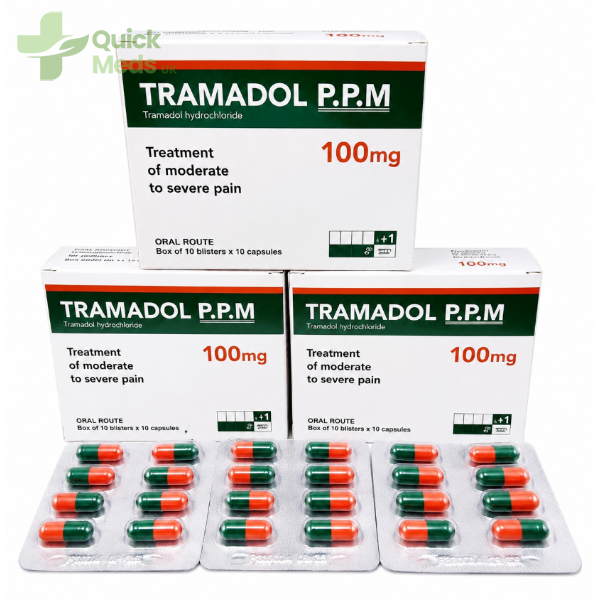
Tramadol 100mg
Tramadol 100mg for pain relief Effective for moderate to severe pain Fast-acting and long-lasting
£45.00Order treatment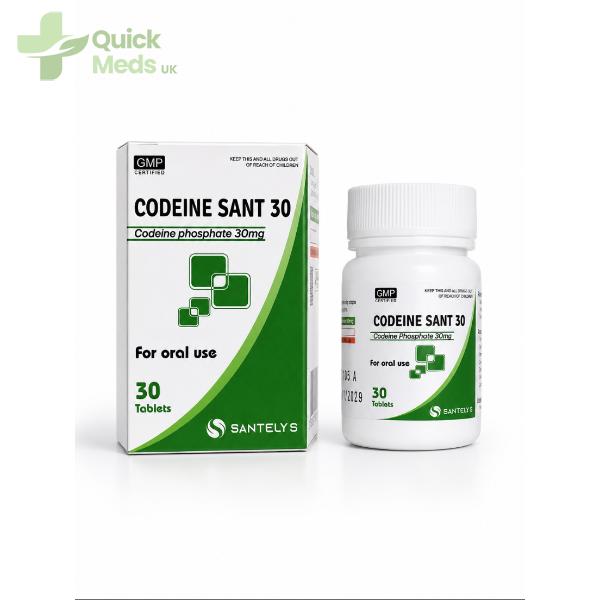
Codeine Phosphate 30mg Santelys
Codeine Phosphate 30mg Santelys for pain relief Effective for mild to moderate pain Relieves headaches, toothaches, and muscle aches
£43.50Order treatment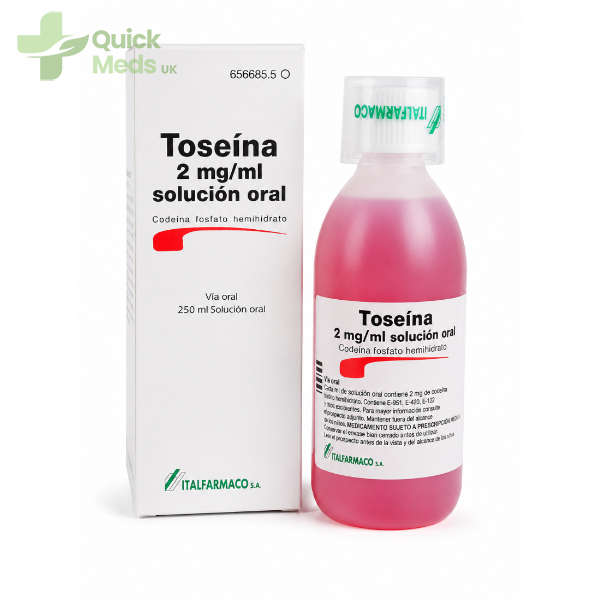
Toseina Codeine Phosphate hemihydrate 2mg
Toseina Codeine Phosphate hemihydrate 2mg for relief Effective pain management
£79.99Order treatment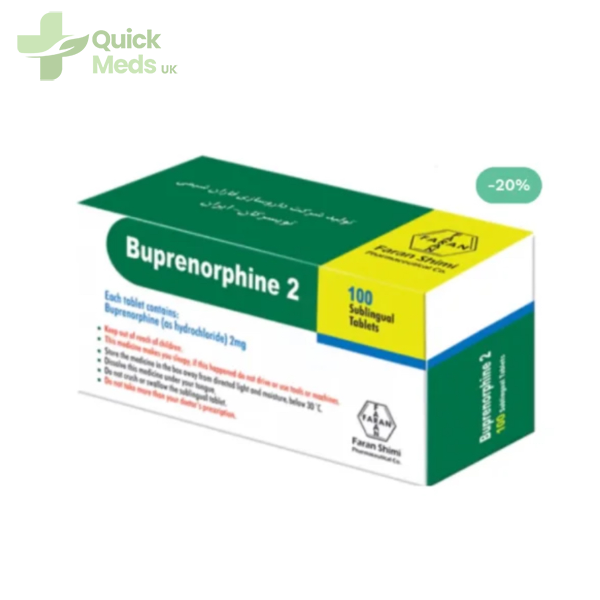
Buprenorphine 2
Buprenorphine 2 for pain relief Effective treatment for opioid dependence Reduces withdrawal symptoms
£30.00Order treatment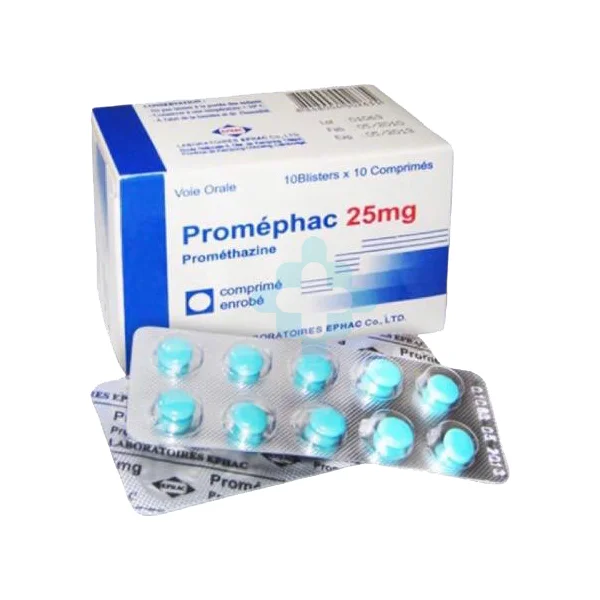
Promethazine 25mg
What is Promethazine 25mg? Promethazine tablets are a remedy that can be used to ease symptoms of hay fever, travel sickness, sleep disturba
£33.00Order treatment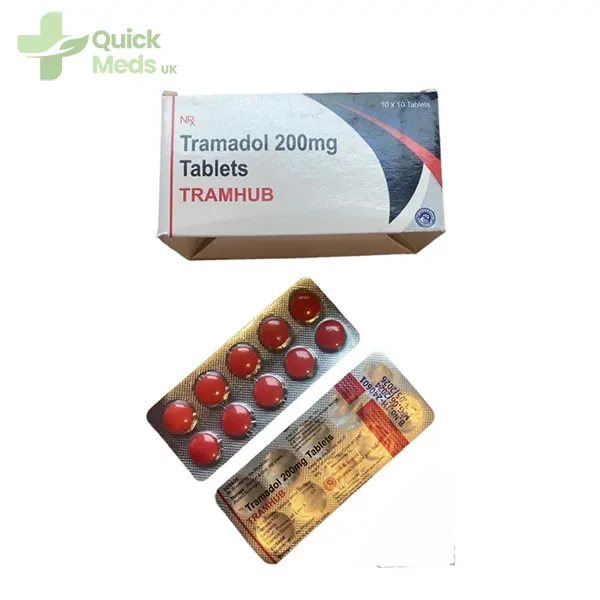
Tramadol 200mg (Tramhub) Tablets
What is Tramadol 200mg by Tramhub? Tramadol 200mg an opioid pain relief medication used for the relief of moderate to severe pain. Tramadol
£54.00Order treatmentTreatments listed here are offered subject to online consultation. GPhC-registered pharmacy.
References
- Knee pain – NHSnhs.uk
- Osteoarthritis – NICE Guidancenice.org.uk
- Physical activity and exercise for chronic pain in adults – Cochrane via PubMedpubmed.ncbi.nlm.nih.gov
Frequently asked questions
What is the fastest way to relieve knee pain at home?
The fastest knee pain home remedy is the RICE method: Rest, Ice, Compression, and Elevation. Applying an ice pack wrapped in a cloth for 15 to 20 minutes several times a day can reduce swelling and ease pain within the first 24 to 48 hours. Over-the-counter anti-inflammatory medicines like ibuprofen can also help in the short term, provided you have no contraindications. If the pain is severe or came on suddenly after an injury, seek medical advice promptly.
Can turmeric and ginger reduce knee pain naturally?
Both turmeric and ginger contain compounds with natural anti-inflammatory properties. Curcumin, the active ingredient in turmeric, has been studied for its potential to ease joint pain, and some small trials show modest benefit. Ginger contains gingerols and shogaols, which may similarly reduce inflammation. However, the evidence is still developing, and neither should replace prescribed treatment for serious conditions like rheumatoid arthritis.
How long does it take for knee pain home remedies to work?
It depends on the cause and severity. For minor strains or overuse injuries, knee pain home remedies like rest, ice, and gentle movement can bring noticeable improvement within a few days to two weeks. Strengthening exercises typically take four to six weeks of consistent effort before you feel meaningful change. If your pain is not improving after two to four weeks of home management, it is worth speaking to a GP or physiotherapist.
What exercises should I avoid if I have knee pain?
During a flare-up, avoid high-impact activities like running, jumping, and deep squats, as these place significant load on the knee joint. Full leg extensions on a machine and activities involving sudden twisting movements can also aggravate existing pain. Low-impact options such as swimming, cycling on a stationary bike, and walking on flat ground are generally much kinder to the knees while keeping you active.
Is rest or exercise better for knee pain?
A bit of both, done at the right time. Complete rest is helpful in the first 24 to 72 hours after an acute injury to let swelling settle. After that, gentle movement and targeted strengthening exercises are usually more beneficial than prolonged rest, which can lead to muscle weakness and stiffness. The NHS recommends staying as active as possible within pain limits and gradually building up activity levels.
Can weight loss help reduce knee pain?
Yes, significantly. Research suggests that every kilogram of body weight lost reduces the force on the knee joint by roughly four kilograms with each step. For people who are overweight, even modest weight loss of five to ten percent of body weight can lead to meaningful reductions in knee pain and improved mobility. Combining a balanced diet with low-impact exercise is the most effective approach.
