
Pain Relief
Ear Pain Home Remedies: What Actually Works (And When to See a Doctor)
Ear pain home remedies get searched millions of times a year, and honestly, that makes sense. Earache is miserable, it often strikes at the worst possible moment (usually 11pm on a Sunday), and the prospect of waiting days for a GP appointment while your ear throbs is deeply unappealing. But here is the thing: not all home remedies are equal, and some of the most popular ones online are either useless or actively risky. This guide cuts through the noise with an evidence-first approach, so you know exactly what is worth trying, what to avoid, and when to stop treating yourself and get proper help.
How to Relieve Ear Pain Fast: Home Remedies With Real Evidence Behind Them

When we talk about ear pain home remedies, we are really talking about a mixed bag of approaches, some with decent supporting evidence, some with none at all. Let us start with what the evidence actually says.
Warm compresses
Applying a warm (not hot) flannel or heat pack to the outer ear is one of the most consistently recommended home treatments. Heat increases blood flow to the area, relaxes the muscles around the ear canal, and can help ease the sensation of pressure. According to NHS guidance, warm compresses are a safe and reasonable first step for earache in both adults and older children1. Hold a warm, damp cloth against the ear for 20 minutes at a time. Simple, low-risk, genuinely helpful.
Over-the-counter pain relief
Ibuprofen and paracetamol are both effective for ear pain management. Ibuprofen has the added benefit of being an anti-inflammatory, which may be particularly useful if swelling around the ear canal is contributing to the pain. Follow the dosing instructions on the packet and never exceed the recommended dose. For children, always use age-appropriate formulations and check with a pharmacist if you are unsure.
Olive oil drops
Warm olive oil dropped gently into the ear canal is a traditional remedy with a reasonable rationale behind it. It can help soften earwax, which is sometimes the underlying cause of discomfort. The NHS acknowledges olive oil as a safe option for softening wax2. Warm the oil to body temperature first (test a drop on your wrist, it should feel neutral, not hot) and use a dropper to place two or three drops into the ear while lying on your side. Wait a few minutes before sitting up. Do not use this method if you suspect a perforated eardrum.
Hydrogen peroxide
A 3% hydrogen peroxide solution is sometimes used to help break down earwax. It produces a mild fizzing action that can loosen debris. This is not a remedy for infection, but if wax build-up is causing your ear pain, it may help. Use it sparingly and never in a damaged or perforated ear. Some people find it irritating, so if it causes stinging or worsens symptoms, stop immediately.
Garlic oil
Garlic contains allicin, a compound with well-documented antimicrobial properties in laboratory studies. Garlic-infused oil has been used as a folk remedy for ear infections for centuries. There is some limited clinical research suggesting it may have a role in managing outer ear discomfort, but the evidence is nowhere near strong enough to recommend it as a substitute for antibiotics in confirmed bacterial infections. Think of it as a comfort measure with a plausible mechanism, not a cure.
Traditional and Time-Tested Earache Solutions: The Sock Trick and Beyond
You have probably seen the sock trick mentioned on parenting forums and social media. It sounds a bit odd, but the principle behind it is sound.
What is the sock trick?
Fill a clean cotton sock with coarse sea salt (not table salt, which can clump and burn). Tie the end, then microwave it for about 60 to 90 seconds. Check the temperature carefully before applying it to your ear, it should be warm but not hot. Hold it gently against the affected ear for 10 to 15 minutes.
The salt retains heat well and moulds to the shape of the ear. The warmth works in the same way as a conventional warm compress, helping to ease pressure and reduce pain signals. There is no specific clinical trial testing the sock trick as a distinct intervention, but the heat therapy mechanism is well-established. It is low-risk, cheap, and many parents swear by it for children who will not tolerate a flannel held against their ear. Anyway, the point is that the sock trick is not magic, it is just a convenient heat delivery method.
Distraction and positioning
This sounds almost too simple, but positioning genuinely matters. Sitting upright rather than lying flat can reduce pressure in the middle ear by allowing the Eustachian tube to drain more effectively. Chewing or yawning can also help open the Eustachian tube and equalise pressure. If you have ever had ear pain on an aeroplane and felt it pop when you yawned, you have experienced this mechanism firsthand.
Pressure Points and Massage Techniques for Immediate Ear Pain Relief
There is genuine interest in whether pressure points can relieve ear pain, and the answer is: possibly, for some people, in a limited way. Here is what we know.
The mastoid area
The mastoid process is the bony bump just behind and below your earlobe. Gently massaging this area in small circular motions can help relieve tension in the muscles surrounding the ear. Some people find this provides meaningful short-term relief, particularly when ear pain is accompanied by jaw tension or headache.
The tragus point
The tragus is the small cartilage flap at the front of the ear canal opening. Gently pressing and releasing this point repeatedly (like a slow pump) may help encourage drainage through the Eustachian tube. It sounds odd, but it can create a mild pressure change that some people find relieves that blocked sensation.
Jaw and neck massage
The muscles of the jaw (particularly the temporomandibular joint area) are closely connected to the structures around the ear. Tension in the jaw is a surprisingly common contributor to ear pain. Gently massaging along the jawline and down the side of the neck can ease referred pain. If your ear pain tends to worsen when you clench your jaw or eat, this is worth exploring.
Why Ear Pain Worsens at Night and How to Sleep Comfortably

Night-time ear pain is a specific and particularly unpleasant problem. There is a physiological reason for it, and understanding it helps you manage it better.
When you lie flat, blood pressure in the vessels of the head increases slightly. This can cause increased pressure and inflammation in the middle ear. At the same time, the Eustachian tube, which normally helps drain fluid from the middle ear into the throat, works less efficiently when you are horizontal. Fluid accumulates, pressure builds, and pain intensifies. Add to this the fact that there are no daytime distractions to take your mind off the discomfort, and you have a recipe for a very bad night.
Practical strategies for sleeping with ear pain
- Elevate your head using an extra pillow or two to reduce fluid pressure in the middle ear.
- Sleep on the side that is not affected, so the painful ear faces upward.
- Take appropriate pain relief 30 to 45 minutes before you plan to sleep.
- Apply a warm compress before bed and keep a warm (not electric) heat pack nearby.
- Avoid caffeine in the evening, as it can heighten pain sensitivity and disrupt sleep.
- Use a white noise app or fan to provide audio distraction from the pain.
I remember my nephew going through a bout of recurrent ear infections at age four. My sister was utterly exhausted because he would sleep fine until about 2am and then wake up screaming. The GP explained exactly this mechanism to her, and simply propping him up with a rolled towel under the mattress made a meaningful difference to how the nights went. Not a fix, but genuinely helpful. But I digress.
Natural Ingredients That May Help With Ear Infections: An Evidence-Based Look
Let us be honest about what natural ingredients can and cannot do. No home remedy has been shown in robust clinical trials to resolve a confirmed bacterial middle ear infection (otitis media). What some ingredients can do is manage symptoms, reduce inflammation, or address contributing factors like wax build-up.
| Remedy | Evidence Level | Best For | Key Caution |
|---|---|---|---|
| Warm compress | Moderate (mechanism well-established) | General ear pain, outer ear discomfort | Do not apply if skin is broken |
| Olive oil drops | Moderate (NHS-endorsed for wax) | Wax-related discomfort | Not for perforated eardrum |
| Garlic oil | Low (lab evidence only) | Outer ear discomfort, antimicrobial support | Not a substitute for antibiotics |
| Hydrogen peroxide (3%) | Low to moderate | Wax softening | Can irritate; avoid in damaged ears |
| Ibuprofen / paracetamol | High (well-evidenced OTC analgesia) | Pain and inflammation management | Follow dosing guidelines strictly |
| Warm compress + OTC analgesia | High (combined approach) | Most types of ear pain as first-line home care | Seek help if no improvement in 48-72 hours |
According to NICE clinical guidelines on earache, most uncomplicated ear infections in adults resolve on their own within a few days, and immediate antibiotic prescribing is not always necessary4. This is why the evidence supports a watchful waiting approach with symptom management for mild to moderate cases in healthy adults.
Most uncomplicated ear infections in adults resolve without antibiotics, but that does not mean all ear pain is safe to ignore.
Understanding Ear Pain: When to Treat at Home vs. Seek Medical Help
This is arguably the most important section of this entire article. Ear pain home remedies are appropriate for mild, uncomplicated earache in otherwise healthy adults and older children. They are not appropriate for every situation.
When home treatment is reasonable
- Mild to moderate ear pain following a cold or upper respiratory infection.
- A feeling of fullness or muffled hearing that you suspect is wax-related.
- Discomfort that is improving gradually over 24 to 48 hours.
- No fever, no discharge, no significant hearing loss.
Age-specific considerations
Children under two years old should be seen by a GP for any ear pain, as infections in this age group can progress quickly and may require antibiotics according to NICE guidance on otitis media3. For children aged two and over, a watchful waiting approach for 48 to 72 hours is often appropriate for mild symptoms. Adults with no underlying health conditions can generally try home remedies for two to three days before seeking advice.
Red Flag Symptoms: When Ear Pain Needs Professional Attention

Some symptoms should prompt you to seek medical help promptly rather than reaching for another warm compress. Know these. Seriously.
- Fever above 38°C alongside ear pain suggests active infection that may need treatment.
- Discharge from the ear, particularly if it is yellow, green, or blood-stained, is a red flag.
- Sudden hearing loss or a significant change in hearing warrants same-day assessment.
- Severe or rapidly worsening pain that is not responding to pain relief.
- Swelling, redness, or tenderness behind the ear (over the mastoid bone) could indicate mastoiditis, a serious complication.
- Facial weakness or drooping on the same side as the ear pain requires emergency attention.
- Dizziness or loss of balance alongside ear pain may indicate inner ear involvement.
- Symptoms lasting more than 72 hours without improvement in adults, or more than 48 hours in children.
If in doubt, contact NHS 111 online or by phone. They will help you decide whether you need to be seen urgently, and by whom. Do not feel like you are wasting anyone’s time. That is what the service is there for1.
What to Absolutely Avoid When You Have Ear Pain
Right. Let us be direct about this, because some popular advice online is genuinely harmful.
- Never insert cotton buds into the ear canal. They push wax deeper, can perforate the eardrum, and introduce bacteria. The ear is largely self-cleaning.
- Do not put cold water or very cold liquids into the ear. This can trigger vertigo and worsen pain.
- Avoid ear candles, as discussed above.
- Do not ignore worsening symptoms in the hope they will resolve. Some ear infections do require antibiotics or specialist assessment.
- Do not use drops of any kind if you suspect a perforated eardrum until you have been assessed.
- Avoid self-diagnosing a serious condition based on internet symptom checkers alone. Use them as a guide, not a diagnosis.
Here is the thing: most of the damage people do to their ears comes from well-intentioned but misguided self-treatment. Restraint is often the most evidence-based approach.
This content is for informational purposes only and does not constitute medical advice. Always consult a qualified healthcare professional before starting any new supplement, herbal remedy, or treatment plan. Do not use this information to diagnose or treat any health condition without professional guidance.
Related treatments from Quick Meds UK
Regulated UK pharmacy. Prescription required where applicable.
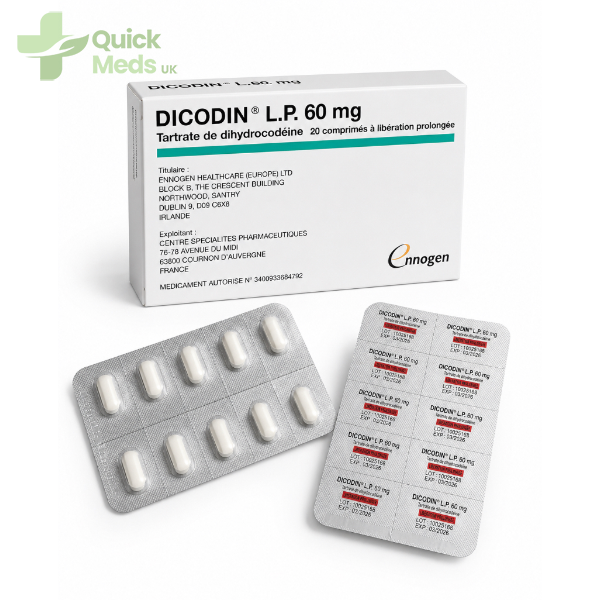
Dihydrocodeine IP 60mg
Dihydrocodeine IP 60mg for pain relief Effective for mild to moderate pain Relieves discomfort and improves well-being
£56.00Order treatment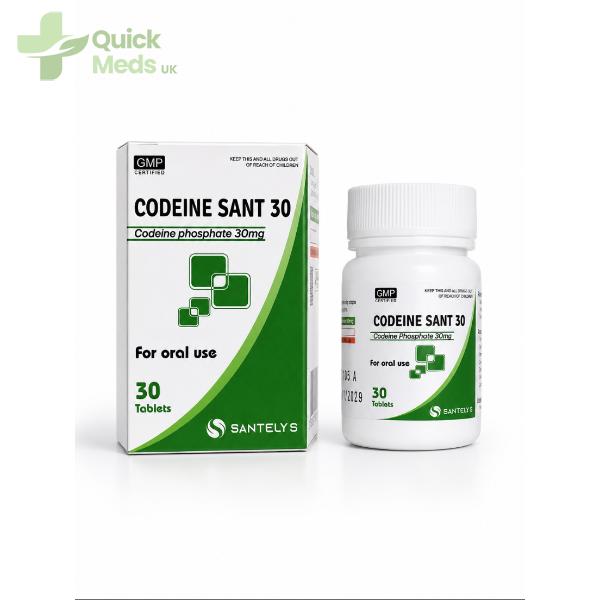
Codeine Phosphate 30mg Santelys
Codeine Phosphate 30mg Santelys for pain relief Effective for mild to moderate pain Relieves headaches, toothaches, and muscle aches
£43.50Order treatment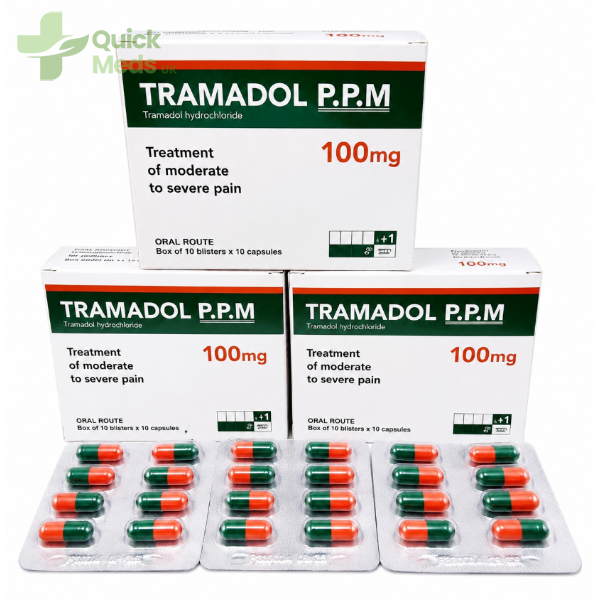
Tramadol 100mg
Tramadol 100mg for pain relief Effective for moderate to severe pain Fast-acting and long-lasting
£45.00Order treatment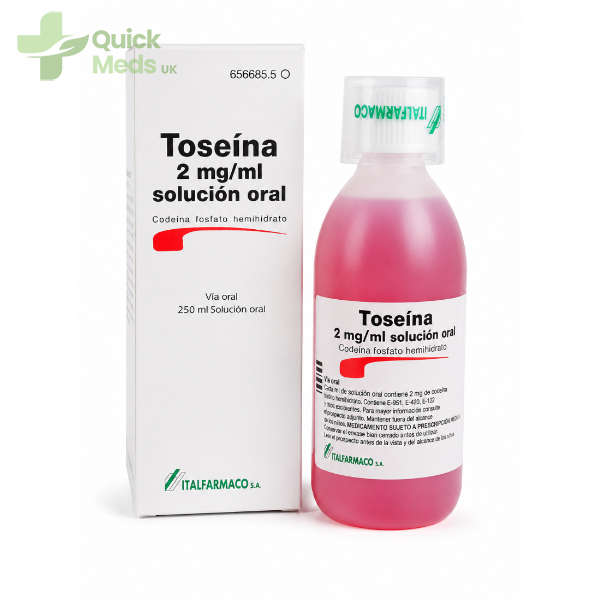
Toseina Codeine Phosphate hemihydrate 2mg
Toseina Codeine Phosphate hemihydrate 2mg for relief Effective pain management
£79.99Order treatment
Tapentadol Aspadol 200mg Pain Relief
Tapentadol 200mg is used to help relieve moderate to severe short-term pain (such as pain from an injury or after surgery). It belongs to a
£60.00Order treatment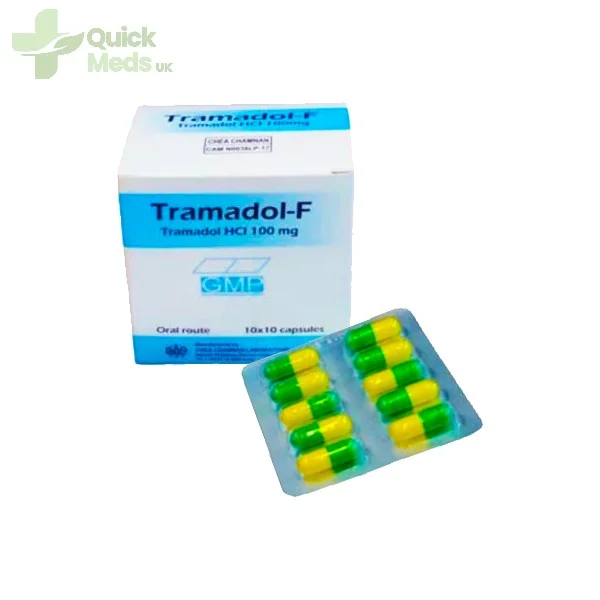
Tramadol-F HCI 100mg (Price Reduction)
Price reduction on all quantities Tramadol HCL medication is used to help relieve moderate to moderately severe pain. Tramadol is similar to
£42.00Order treatmentTreatments listed here are offered subject to online consultation. GPhC-registered pharmacy.
References
- Ear infections – NHSnhs.uk
- Earwax build-up – NHSnhs.uk
- Otitis media with effusion in under 12s – NICE guideline NG91nice.org.uk
- Ear pain – NICE CKScks.nice.org.uk
Frequently asked questions
What are the most effective ear pain home remedies for fast relief?
Warm compresses applied to the outer ear are among the fastest ear pain home remedies, as heat helps reduce inflammation and ease muscle tension around the ear canal. Over-the-counter pain relief such as ibuprofen or paracetamol can also provide quick relief while you monitor symptoms. Olive oil drops (at body temperature) are a traditional remedy with some supporting evidence for softening wax-related discomfort. If pain persists beyond 48 hours or is accompanied by fever or discharge, seek medical advice.
What is the sock trick for ear infections and does it actually work?
The sock trick involves filling a clean cotton sock with coarse sea salt, heating it in a microwave for 1 to 2 minutes, and holding it gently against the affected ear. The warmth mimics a warm compress and may help draw out moisture and ease pressure. There is no robust clinical trial evidence for this specific method, but the mechanism of heat application is well-established for pain relief. It is a low-risk folk remedy that many people find soothing, particularly at night.
How can I tell if my ear pain is just an ache or a serious infection?
A simple earache often follows a cold, involves mild to moderate pain, and improves within a day or two with home care. A more serious ear infection typically involves severe or worsening pain, fever above 38°C, fluid or pus draining from the ear, significant hearing loss, or dizziness. Children under two years old with ear pain should always be seen by a GP, as infections in this age group can escalate quickly. If you are unsure, contacting NHS 111 is always a sensible first step.
Why does ear pain get worse at night and what can I do about it?
Ear pain tends to worsen at night because lying flat increases blood pressure in the head and reduces the Eustachian tube’s ability to drain fluid, causing pressure to build in the middle ear. There is also less distraction at night, which makes pain feel more intense. Sleeping with your head slightly elevated using an extra pillow can help reduce this pressure. Warm compresses and appropriate pain relief taken before bed are also useful strategies.
What ear pain home remedies should I absolutely avoid?
You should never insert cotton buds, fingers, or any object into the ear canal, as this can push wax deeper, damage the eardrum, or introduce bacteria. Do not use ear candles, which have no proven benefit and carry a real risk of burns and wax blockage according to NHS guidance. If you suspect a perforated eardrum, avoid putting any drops or liquids into the ear at all until you have been assessed by a clinician. Cold liquids in the ear can also trigger vertigo and should be avoided.
Are there pressure points or massage techniques that relieve ear pain?
Some people find relief by gently massaging the mastoid area (just behind the earlobe) and along the jaw line, which can help ease tension in the muscles surrounding the ear. The tragus point at the front of the ear canal can be gently pressed and released to encourage Eustachian tube drainage. These techniques are low-risk and may complement other ear pain home remedies, though the evidence base is largely anecdotal rather than from controlled trials.
What natural ingredients are thought to help with ear infections without antibiotics?
Garlic contains allicin, a compound with documented antimicrobial properties in laboratory settings, and garlic-infused oil is a traditional ear remedy. Hydrogen peroxide diluted to 3% is sometimes used to clear wax and may have mild antiseptic properties. However, no home remedy can reliably resolve a confirmed bacterial middle ear infection, and antibiotics prescribed by a GP remain the evidence-based treatment when infection is confirmed. Natural remedies are best used for symptom management, not as a substitute for medical treatment.
