
Adhd Treatment
ADHD Treatment for Adults: A Complete Guide to Your Options
If you’ve recently been told you have ADHD, or you’ve spent years quietly suspecting it, the question of what to do next can feel genuinely overwhelming. ADHD treatment for adults has come a long way, and the evidence is clear: with the right support, most adults see real, meaningful improvement in their daily lives. This guide is here to walk you through everything, calmly and clearly, so you can make informed decisions alongside your healthcare team.
There’s a moment many adults describe when they first read about ADHD symptoms in adults, a sort of quiet recognition. A friend of mine spent most of her thirties convinced she was just disorganised, easily distracted, and a bit rubbish at finishing things. It wasn’t until her daughter was assessed that she started to join the dots for herself. Her GP was brilliant about it. But she wished someone had explained the treatment options clearly from the start, rather than leaving her to piece it together. Anyway, that’s exactly what this guide aims to do.
Understanding ADHD in Adults: Symptoms and Diagnosis
ADHD (Attention Deficit Hyperactivity Disorder) doesn’t disappear after childhood. For many people, it simply wasn’t spotted in the first place. Adults with ADHD often experience a persistent pattern of inattention, impulsivity, and in some cases hyperactivity that affects work, relationships, and everyday functioning.
Common symptoms in adults include:
- Difficulty sustaining focus on tasks, especially those that feel repetitive or unstimulating
- Frequent forgetfulness and losing things
- Impulsive decision-making or speaking without thinking
- Poor time management and chronic lateness
- Emotional dysregulation, including frustration, mood swings, or low frustration tolerance
- Restlessness or an internal sense of being constantly “on the go”
- Difficulty starting tasks (often called task initiation problems)
Here’s the thing: these symptoms often look different in adults than in children. The child bouncing off the walls in class may grow into an adult who sits still but can’t stop their thoughts racing. That internal experience matters just as much as external behaviour.
According to the NHS, ADHD affects around 3-4% of adults in the UK, though many remain undiagnosed2. Getting a formal diagnosis is the first step toward accessing proper treatment and support.
What the ADHD Assessment Involves
An adult ADHD assessment is not a single test. There’s no brain scan that confirms it, no blood test that shows it up. Instead, a specialist (usually a psychiatrist or a specialist ADHD nurse) will carry out a detailed clinical interview covering your current symptoms, how they affect your daily life, and your history going back to childhood.
You’ll likely be asked to complete validated questionnaires, such as the Conners’ Adult ADHD Rating Scales or similar tools. The clinician may also want to speak with someone who knows you well, a partner, parent, or close friend. This isn’t to catch you out. It’s to build a full picture.
If you’re on an NHS waiting list and the wait feels impossibly long, it’s worth knowing that the NHS Right to Choose pathway may allow you to access an assessment through an approved independent provider, still funded by the NHS. Ask your GP about this option.
Medication-Based ADHD Treatment: Options and Effectiveness

ADHD treatment for adults most often begins with medication, and for good reason. A major analysis of 113 clinical trials involving over 14,800 participants, published in The Lancet Psychiatry and led by researchers at Oxford, found that stimulant medications and atomoxetine were the most effective treatments for ADHD in adults3. These aren’t small, inconclusive studies. The evidence base here is genuinely solid.
NICE guidelines are clear that medication should normally be the first-line treatment for adults with moderate to severe ADHD, and that it should always form part of a broader programme addressing psychological, behavioural, and occupational needs1.
Methylphenidate: The Usual Starting Point
Methylphenidate is typically the first medication tried for adult ADHD. It works by increasing the availability of dopamine and noradrenaline in the brain, neurotransmitters that play a key role in attention, motivation, and impulse control.
It comes in two main forms:
- Immediate-release (short-acting): Takes effect within 30-60 minutes and lasts around 4 hours. Brand names include Ritalin. Useful for flexibility but requires multiple doses through the day.
- Modified-release (long-acting): Releases gradually over 8-12 hours, meaning one dose in the morning covers most of the day. Brand names include Concerta XL and Matoride XL.
Most adults find the modified-release version more convenient, and it avoids the peaks and troughs associated with short-acting formulations. Your prescriber will discuss which suits your lifestyle and needs.
Lisdexamfetamine (Elvanse)
If methylphenidate doesn’t provide enough benefit, or causes side effects that can’t be managed, lisdexamfetamine is often the next option. It’s a prodrug, meaning it’s converted into active dexamfetamine in the body, which produces a smooth, sustained effect lasting up to 14 hours.
Many adults find lisdexamfetamine particularly effective for focus and executive function. It’s licensed in the UK for adult ADHD and is available on the NHS.
Dexamfetamine
Dexamfetamine (also written as dextroamphetamine) is a short-acting stimulant that may be used in some cases, particularly where lisdexamfetamine isn’t suitable or available. It’s less commonly prescribed as a first choice but remains an option.
Non-Stimulant Options
Not everyone can take stimulants. Concerns about cardiovascular health, a history of substance misuse, significant anxiety, or simply not tolerating the side effects can all mean a non-stimulant approach is more appropriate.
- Atomoxetine (Strattera): A selective noradrenaline reuptake inhibitor (SNRI). It takes longer to work (typically 4-8 weeks for full effect) but can be a very effective option. It may also have a positive effect on comorbid anxiety.
- Guanfacine (Intuniv): An alpha-2 agonist that can help with attention and impulse control. Sometimes used when stimulants aren’t suitable, or as an add-on treatment.
The Titration Process: What to Expect
Starting ADHD medication isn’t like flicking a switch. The titration process involves starting at a low dose and gradually increasing it over several weeks until the optimal balance of benefit and tolerability is found. This process typically takes 6-12 weeks, sometimes longer.
During titration, your prescriber will check in regularly, asking about symptom control, sleep, appetite, mood, and any side effects. Be honest in these conversations. If something doesn’t feel right, say so. Adjustments are normal and expected.
Stimulants vs Non-Stimulants: Which Works Best for Adult ADHD?
This is one of the most common questions people ask, and honestly, the answer isn’t the same for everyone. But the evidence does give us a useful starting point.
| Medication Type | Examples | Time to Effect | Best For |
|---|---|---|---|
| Stimulants (first-line) | Methylphenidate, Lisdexamfetamine | Within 1-2 hours | Most adults with ADHD; strong evidence base |
| Non-stimulants | Atomoxetine, Guanfacine | 4-8 weeks | Those who can't tolerate stimulants; comorbid anxiety |
Stimulants tend to produce faster and more pronounced symptom relief for most people. The Oxford meta-analysis found stimulants were generally more effective than non-stimulants across the board3. But non-stimulants are not a consolation prize. For the right person, they can be genuinely effective and may offer advantages, such as 24-hour coverage and fewer concerns around misuse potential.
What does this mean in practice? Your prescriber will usually start with methylphenidate, as NICE recommends. If that doesn’t work well enough or causes problems, they’ll move through the options systematically. It’s not a failure if the first medication isn’t the right one. It’s just part of the process.
Comprehensive Treatment Approaches: Combining Medication with Therapy
Medication is powerful. But it’s rarely enough on its own. NICE is explicit that ADHD treatment for adults should be part of a comprehensive programme that addresses psychological, behavioural, and educational or occupational needs1. Think of medication as turning down the static. Therapy helps you learn how to use the clearer signal.
A comprehensive treatment plan for adult ADHD typically includes:
- Medication: To reduce core symptoms of inattention, impulsivity, and hyperactivity
- Psychoeducation: Understanding how ADHD works, what drives your specific difficulties, and why certain situations are harder than others
- Skills training: Building practical strategies for organisation, time management, and emotional regulation
- Psychological therapy: Particularly CBT, to address unhelpful thought patterns and behaviours that have often built up over years of undiagnosed ADHD
- Occupational support: Workplace accommodations, adjustments, and strategies for managing ADHD in professional settings
Cognitive-Behavioural Therapy and Psychosocial Treatments for ADHD

CBT for ADHD in adults is not the same as CBT for depression or anxiety, though it borrows from similar principles. ADHD-focused CBT is structured, practical, and skills-based. Research published in peer-reviewed journals consistently supports its use as an adjunct to medication, showing reductions in ADHD symptoms, improved organisation, and better emotional regulation.
Typical CBT for ADHD covers:
- Breaking tasks into manageable steps to overcome procrastination and task avoidance
- Developing time awareness and planning skills
- Managing emotional dysregulation and impulsive reactions
- Challenging negative self-beliefs (“I’m lazy”, “I’m stupid”) that often develop after years of struggling undiagnosed
- Building consistent routines and habits
Psychosocial approaches may also include group therapy, ADHD coaching, and peer support groups. Many adults find that connecting with others who share the experience of adult ADHD is genuinely validating and practically useful. It’s not just about feeling understood (though that matters). It’s about sharing strategies that actually work.
“The medication helped me focus. The therapy helped me understand why I’d spent twenty years feeling like I was failing at being a normal person.” A sentiment shared by many adults who access both treatment strands.
ADHD in Women: Why Diagnosis is Often Delayed

This deserves its own section, because the disparity is significant and the consequences are real. According to NHS guidance, ADHD is recognised less often in women because women more commonly present with inattentive symptoms rather than the hyperactive, impulsive behaviours that tend to get noticed2.
Inattentive ADHD can look like daydreaming, forgetfulness, difficulty following conversations, and chronic disorganisation. These are easier to dismiss as personality traits, anxiety, or low mood, particularly in girls and women who are often socialised to mask difficulties and push through.
Women with ADHD are also more likely to develop elaborate coping mechanisms that hide the underlying difficulty from others, and sometimes from themselves. They may appear to be managing fine on the surface while privately exhausted from the effort of keeping up. This masking can delay diagnosis by years or even decades.
The hormonal dimension adds another layer. Many women report that ADHD symptoms fluctuate with their menstrual cycle, worsen during perimenopause, and improve with certain hormonal treatments. This is an emerging area of research, but it’s worth raising with your specialist if it resonates with your experience.
If you’re a woman who suspects ADHD, please don’t let anyone dismiss your concerns because you “seem fine” or because you’re not hyperactive. Push for a proper assessment. You deserve the same access to diagnosis and treatment as anyone else.
Managing Comorbidities: ADHD with Depression, Anxiety and Other Conditions
Adults with ADHD often don’t arrive with ADHD alone. Common comorbidities include depression, anxiety disorders, substance use problems, dyslexia, autism spectrum condition, and OCD. This is not unusual. It’s actually the norm rather than the exception.
Managing ADHD alongside other conditions requires careful clinical thought. Here’s how it typically plays out:
ADHD and Anxiety
Stimulant medications can, in some people, exacerbate anxiety, particularly at higher doses or during titration. If anxiety is significant, your prescriber may start at a lower dose, titrate more slowly, or consider atomoxetine as an alternative. In some cases, treating the ADHD effectively actually reduces anxiety, because much of the anxiety was driven by the chaos and unpredictability that unmanaged ADHD creates.
ADHD and Depression
Depression is common in adults with ADHD, partly as a secondary consequence of years of struggling, failing, and feeling different. Treating ADHD effectively can improve mood significantly for some people. Others may need concurrent treatment for depression. Your care team will assess what needs addressing first and whether a combined approach is needed.
ADHD and Autism Spectrum Condition
ADHD and autism co-occur more often than was previously recognised. Treatment approaches may need to be adjusted, and some individuals find that standard ADHD medications require careful monitoring in the context of autism. A specialist with experience in both conditions is important here.
Lifestyle Changes and Coping Strategies for Adult ADHD

Medication and therapy are the cornerstones. But the hours between appointments matter enormously. Lifestyle adjustments and practical coping strategies can make a real difference to daily functioning, and they work best when built around how your brain actually operates rather than fighting against it.
Sleep
Poor sleep and ADHD have a complicated, circular relationship. ADHD makes it harder to wind down and fall asleep. Poor sleep makes ADHD symptoms worse the next day. Prioritising sleep hygiene, consistent bedtimes, limiting screens before bed, and a calm wind-down routine can genuinely help break this cycle.
Exercise
Physical exercise is one of the most evidence-backed non-pharmacological interventions for ADHD. It boosts dopamine and noradrenaline naturally, which is essentially what ADHD medications do chemically. Even a 20-minute brisk walk can improve focus and mood for several hours. It doesn’t have to be a gym membership. It just has to happen.
Environment and Workspace
Adults with ADHD often function better in environments that reduce distraction and support organisation. This might mean:
- Using noise-cancelling headphones or background music to block out distracting sounds
- Breaking the workspace into zones for different tasks
- Keeping frequently lost items (keys, wallet, phone) in a single designated spot
- Using visual cues, whiteboards, sticky notes, and physical calendars rather than relying on memory
- Reducing clutter, which can increase cognitive load
Workplace Accommodations
Under the Equality Act 2010, employers in the UK have a legal duty to make reasonable adjustments for employees with disabilities, and ADHD can qualify as a disability. Reasonable adjustments might include flexible working hours, a quieter workspace, written rather than verbal instructions, or extra time for certain tasks.
Many adults feel nervous about disclosing ADHD at work. That’s understandable. But accessing accommodations you’re entitled to isn’t weakness. It’s using the tools available to you.
Time Management and Organisation Tools
There’s a whole world of practical tools that adults with ADHD find helpful. Time-blocking calendars, task management apps (Todoist, Notion, and similar), body doubling (working alongside someone else to stay on task), and the Pomodoro technique (working in focused 25-minute bursts with short breaks) are all popular strategies. Find what clicks for you. Not everything will. And that’s fine.
Diet and Nutrition
There’s no specific ADHD diet. But skipping meals, eating a lot of high-sugar foods, and being dehydrated can all worsen concentration and mood. Eating regular, balanced meals and staying well-hydrated is basic but genuinely useful. Some research suggests omega-3 fatty acids may have a modest benefit, though the evidence is not strong enough to recommend supplements as a treatment in their own right.
Non-Medication Alternatives and Holistic ADHD Management
Some adults prefer to manage ADHD without medication, whether because of personal preference, side effect concerns, or because their symptoms are mild enough to manage with other approaches. This is a valid choice, and it’s worth knowing what the evidence says.
CBT and structured skills training have the strongest evidence base among non-medication approaches. Mindfulness-based interventions have shown promise in some studies, particularly for emotional regulation and reducing impulsivity, though the evidence is less consistent than for CBT.
ADHD coaching is not a clinical treatment, but many adults find it practically transformative. A good ADHD coach helps you identify your specific challenges, build systems that work for your brain, and stay accountable. It’s different from therapy in that it’s forward-focused and practical rather than exploratory.
Neurofeedback and dietary interventions are sometimes discussed in the context of ADHD. The evidence for these approaches in adults is limited and inconsistent. They shouldn’t replace evidence-based treatments, though some people incorporate them as part of a broader self-management approach.
Here’s what matters: the goal of any ADHD management approach is to reduce the impact of symptoms on your quality of life. Whether that involves medication, therapy, lifestyle changes, or a combination, the right plan is the one that works for you and is developed with proper clinical input.
This content is for informational purposes only and does not constitute medical advice. Always consult a qualified healthcare professional before starting any new supplement, herbal remedy, or treatment plan. Do not use this information to diagnose or treat any health condition without professional guidance.
Related treatments from Quick Meds UK
Regulated UK pharmacy. Prescription required where applicable.
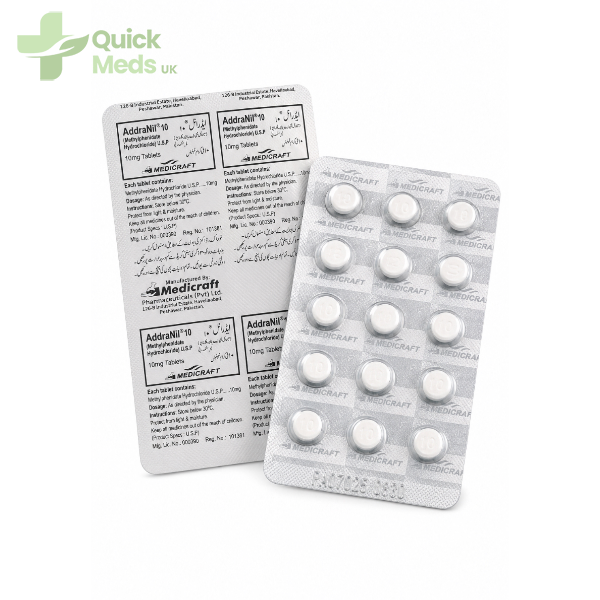
Ritalin 10mg
Ritalin 10mg tablets Helps increase focus and attention Supports mental performance and productivity
£60.00Order treatment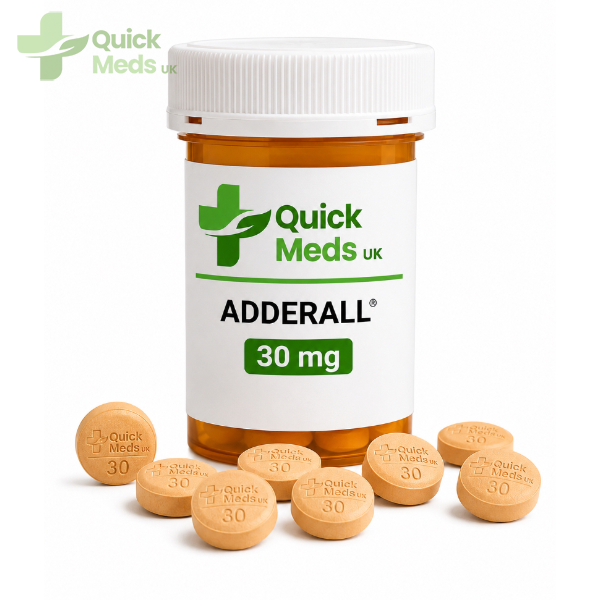
Adderall 30mg
Enhances focus and concentration Boosts mental clarity and energy Supports cognitive function
£40.00Order treatment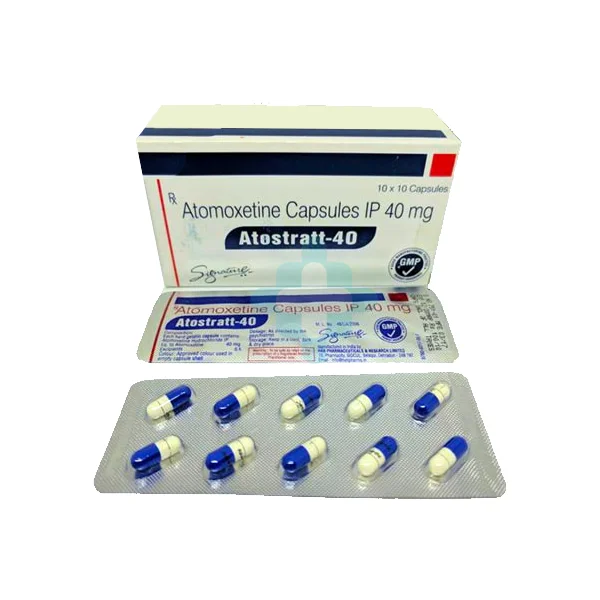
GMP Atostratt Atomoxetine 40mg
What is GMP Atostratt atomoxetine 40mg? Is indicated for the treatment of Attention-Deficit/Hyperactivity Disorder (ADHD) in children of 6 y
£37.50Order treatmentTreatments listed here are offered subject to online consultation. GPhC-registered pharmacy.
References
- Attention deficit hyperactivity disorder: diagnosis and management (NICE guideline NG87)nice.org.uk
- Attention deficit hyperactivity disorder (ADHD) – NHSnhs.uk
- Comparative efficacy and tolerability of medications for attention-deficit hyperactivity disorder in children, adolescents, and adults: a systematic review and network meta-analysispubmed.ncbi.nlm.nih.gov
Frequently asked questions
What is the best medication for ADHD treatment for adults?
According to NICE guidelines and a large Oxford study published in The Lancet Psychiatry, stimulant medications such as methylphenidate and lisdexamfetamine are among the most effective options for ADHD treatment for adults. Methylphenidate is usually tried first, with lisdexamfetamine considered if it does not work well enough. Non-stimulant options like atomoxetine are available for those who cannot tolerate stimulants. The right choice depends on your individual circumstances, comorbidities, and how you respond to treatment.
Can you treat ADHD in adults without medication?
Yes, though medication tends to produce the most significant symptom reduction for most adults. Cognitive-behavioural therapy, psychosocial support, skills training, and lifestyle modifications can all make a meaningful difference, particularly for milder presentations. NICE recommends that any treatment programme addresses psychological, behavioural, and occupational needs alongside or instead of medication. Speak to your prescriber about what combination suits you best.
How long does ADHD treatment for adults take to work?
Short-acting stimulants like immediate-release methylphenidate can produce noticeable effects within an hour or two of the first dose. However, finding the right dose through the titration process typically takes several weeks to a few months. Non-stimulant options like atomoxetine may take four to eight weeks before the full benefit is felt. Therapy-based approaches tend to show gradual improvement over a course of sessions rather than producing immediate change.
Why is ADHD often diagnosed later in women?
ADHD is recognised less often in women because women more commonly present with inattentive symptoms, such as difficulty concentrating, forgetfulness, and internal restlessness, rather than the more visible hyperactive behaviours often associated with ADHD. These quieter symptoms are easier to miss or attribute to anxiety, low mood, or personality traits. Many women also develop masking strategies from a young age, which can further delay recognition and diagnosis.
Can someone with ADHD and anxiety or depression take stimulant medication?
It is possible in many cases, but it requires careful assessment by a specialist. Some stimulant medications can temporarily raise anxiety levels, so the prescriber will weigh the risks and benefits carefully. In some situations, a non-stimulant medication like atomoxetine may be preferred as it can have a more neutral or even positive effect on anxiety. Managing comorbid conditions often means treating them alongside ADHD, and your care team will help you find the safest approach.
What should I expect during an ADHD assessment as an adult?
An adult ADHD assessment usually involves a detailed clinical interview covering your current symptoms, childhood history, and how difficulties affect your daily life. You may be asked to complete self-report questionnaires, and the clinician may request information from someone who knows you well. The assessment does not involve a brain scan or single definitive test. Once a diagnosis is confirmed, the clinician will discuss your treatment options and next steps with you.
What is the difference between stimulant and non-stimulant ADHD medications?
Stimulant medications, such as methylphenidate and lisdexamfetamine, work by increasing levels of dopamine and noradrenaline in the brain relatively quickly and are generally the first-line choice for adult ADHD. Non-stimulant medications, such as atomoxetine and guanfacine, work through different mechanisms and take longer to show their full effect, sometimes several weeks. Non-stimulants are often considered when stimulants are not suitable, for example due to a history of substance misuse, significant anxiety, or cardiovascular concerns.
