
Pain Relief
What is the Strongest Natural Pain Reliever? Evidence-Based Options Explained
When pain becomes part of daily life, it is completely understandable to wonder whether there is a gentler, more natural path to relief. What is the strongest natural pain reliever? It is one of the most common questions people bring to pharmacists, and the honest answer is: it depends on the type of pain, the cause, and the person. But there is real science here, not just folk wisdom, and this guide will walk you through what the evidence actually says.
What Is the Strongest Natural Pain Reliever?
Defining “strongest” is trickier than it sounds. For some people, that means fastest-acting. For others, it means most effective over time. And for others still, it means fewest side effects. Natural pain relievers tend to work differently from conventional medicines like ibuprofen or paracetamol. They often work more gradually, targeting underlying inflammation rather than blocking pain signals outright.
That said, certain compounds stand out from the crowd. Willow bark, curcumin (the active compound in turmeric), capsaicin, and ginger all have genuine clinical evidence behind them. Not Instagram testimonials. Actual peer-reviewed research.
Here’s the thing: no single natural remedy is going to work for everyone. Individual responses vary considerably depending on pain type, severity, and personal biochemistry. But if you are looking for the most evidence-backed starting point, willow bark and curcumin consistently come out near the top.
How Natural Pain Relievers Compare to Conventional Options
Let’s be honest about expectations. Natural pain relievers are not a like-for-like swap for conventional medicines in every situation. If you have broken a bone or are in severe acute pain, please do not rely solely on a turmeric supplement. That would be the wrong tool for the job.
Where natural options genuinely shine is in mild to moderate, ongoing pain, particularly inflammatory conditions like osteoarthritis, lower back pain, and certain types of headache. They can also be useful as part of a broader pain management approach alongside conventional treatment.
| Natural Remedy | Best For | Typical Onset | Evidence Level |
|---|---|---|---|
| Willow Bark | Lower back pain, osteoarthritis | Days to weeks | Moderate to strong |
| Curcumin (Turmeric) | Inflammatory pain, joint pain | Weeks | Strong (with high bioavailability formulation) |
| Capsaicin (topical) | Nerve pain, arthritis | 20-30 minutes locally | Strong for neuropathic pain |
| Ginger | Muscle soreness, menstrual pain | Days | Moderate |
| Omega-3 Fatty Acids | Inflammatory conditions | Weeks to months | Moderate |
Compare those timelines to paracetamol, which typically reduces pain within 30 to 60 minutes, and you can see why natural options are better suited to chronic or ongoing pain rather than acute flare-ups. The NHS notes that complementary approaches can support conventional pain management but should not replace it where conventional treatment is clearly indicated3.
Top Evidence-Based Natural Pain Relief Compounds

Not all natural remedies are created equal. Some have decades of research behind them. Others are riding a wave of social media hype with very little to back them up. Here is a breakdown of the compounds with the most credible evidence.
Willow Bark
Willow bark is probably the closest thing the natural world has to aspirin. It contains a compound called salicin, which the body converts into salicylic acid, the same chemical family as aspirin. In fact, aspirin was originally developed from salicylic acid derived from willow bark. One randomised controlled trial found that willow bark extract significantly reduced lower back pain compared to placebo2.
It works more slowly than aspirin and at lower concentrations, but some people find it gentler on the stomach. It is not suitable for people who are allergic to aspirin or who take blood-thinning medication.
Curcumin
Curcumin, the active polyphenol in turmeric, has been studied extensively for its anti-inflammatory properties. Research published in peer-reviewed journals suggests it can reduce markers of inflammation and provide pain relief in conditions like osteoarthritis, sometimes comparable to non-steroidal anti-inflammatory drugs (NSAIDs) in certain trial settings1.
The catch? Plain turmeric powder has very poor bioavailability, meaning your body absorbs very little of it. Standardised extracts combined with piperine (from black pepper) or in phospholipid formulations significantly improve absorption. So the quality of the supplement really does matter here.
Capsaicin
Capsaicin is the compound that makes chilli peppers hot. Applied topically, it works by depleting substance P, a neurotransmitter involved in pain signalling. Over time, repeated application reduces the nerve’s ability to send pain signals. It is available in low-strength creams over the counter and in high-concentration patches available on prescription4.
It causes a burning sensation when first applied. This puts some people off, which is understandable. But for nerve pain and arthritis, it is one of the most evidence-backed topical options available.
Ginger
Ginger contains gingerols and shogaols, compounds with demonstrated anti-inflammatory and analgesic properties. Studies have shown it can reduce muscle soreness after exercise and may help with menstrual pain. If you are looking for natural remedies for period pain, ginger is one of the more promising options. It is also generally well-tolerated in food amounts, though high-dose supplements can occasionally cause digestive discomfort.
Anyway, I remember my grandmother swearing by ginger tea for her arthritis every single winter. Whether it was the ginger or just the warmth and ritual of it, who knows. But I digress.
Turmeric, Ginger, and Willow Bark: Clinical Evidence
These three often get lumped together in discussions about natural pain relief, and for good reason. They each target inflammation through different mechanisms, which is actually why combining them can sometimes be more effective than using any one alone.
A 2015 systematic review found that curcumin supplementation was associated with significant reductions in pain and improved function in patients with osteoarthritis. A separate meta-analysis of ginger supplementation found modest but consistent reductions in pain intensity across multiple studies. And willow bark, as mentioned, has randomised trial evidence specifically for lower back pain.
What is the strongest natural pain reliever among these three? Honestly, it probably depends on your specific condition. For joint and inflammatory pain, curcumin edges ahead. For lower back pain, willow bark has the most targeted evidence. For muscle soreness and period pain, ginger is well-supported. If you want to explore natural approaches for back pain specifically, our guide on natural remedies for back pain goes into much more detail.
The strongest natural pain reliever is not one compound. It is the right compound, at the right dose, for the right type of pain.
Topical vs Oral Natural Pain Relief Methods

The route of administration matters more than many people realise. Topical preparations, things you apply directly to the skin, can deliver faster localised relief because they bypass the digestive system entirely. Oral supplements need to be absorbed, metabolised, and transported through the bloodstream before they reach the site of pain.
For localised pain, such as a sore knee or an aching shoulder, a topical preparation containing capsaicin or even diluted arnica gel may work faster than an oral supplement. For systemic or widespread pain, oral preparations are generally more appropriate.
For period pain, both oral ginger supplements and topical heat have evidence behind them. Our article on home remedies for period pain covers the evidence for both approaches in detail.
Natural Pain Relief for Specific Conditions
Pain is not one thing. Neuropathic (nerve) pain, inflammatory pain, mechanical pain, and muscle pain all respond differently to treatment, natural or otherwise. Here is a quick breakdown by condition type.
Inflammatory Pain (Arthritis, Joint Pain)
- Curcumin (turmeric extract) has the strongest evidence for reducing joint inflammation and improving function.
- Omega-3 fatty acids (from fish oil or algae) can reduce inflammatory markers over time with consistent use.
- Willow bark may help with mild to moderate joint pain.
Neuropathic (Nerve) Pain
- Capsaicin cream is the most evidence-backed topical natural option for nerve pain.
- Alpha-lipoic acid has some evidence for diabetic neuropathy specifically.
- Evening primrose oil has been studied for nerve pain with variable results.
Muscle and Mechanical Pain
- Ginger has demonstrated reductions in exercise-induced muscle soreness.
- Magnesium supplementation may help with muscle cramps and tension-related pain.
- Heat therapy, while not a supplement, is a well-evidenced natural approach for muscle pain.
Menstrual Pain
- Ginger has been shown in clinical trials to reduce menstrual pain with an effect comparable to ibuprofen in some studies.
- Omega-3 fatty acids may reduce the severity of period cramps over time.
For ear-related pain, natural options are more limited and caution is particularly important. Have a look at our guide on ear pain home remedies for what is actually supported by evidence in that area.
Safety, Dosage, and Quality Considerations

Here is where things get genuinely important. Natural does not mean risk-free. Full stop. Some of the most powerful natural compounds interact with medications, affect blood clotting, or cause significant digestive side effects at high doses.
Dosage is also a real issue. Many supplements on the market contain far too little of the active compound to have any meaningful effect. Look for standardised extracts. For curcumin, look for products standardised to at least 95% curcuminoids, ideally with added piperine or in a phospholipid form. For willow bark, look for standardisation to salicin content, typically 60 to 240mg per dose.
Quality and sourcing matter enormously in this space. A cheap, unstandardised product may contain very little of what it claims. Reputable manufacturers will have third-party testing certificates available. If a product does not mention standardisation on the label, that is a bit of a red flag.
Genuinely, it can be frustrating how much misleading information exists around natural supplements. Products making bold claims with no standardisation data, no third-party testing, and no clinical context are unfortunately common. The evidence is out there for the good stuff. You just have to know what to look for.
Combining Natural Remedies for Enhanced Pain Relief
Can you take multiple natural pain relievers at the same time? Sometimes, yes. And in some cases, combining them makes sense because they work through different mechanisms. Curcumin targets inflammatory pathways, ginger affects prostaglandin synthesis, and capsaicin acts on nerve signalling. Used together, they may offer broader coverage than any single remedy.
But combining natural remedies also multiplies the risk of interactions. Willow bark plus aspirin plus fish oil, for example, could have a significant additive effect on blood clotting. That combination needs medical supervision.
A sensible approach: start with one remedy, give it four to six weeks at an appropriate dose, and assess the effect before adding another. Keep your GP or pharmacist in the loop, especially if you take any prescription medication.
This content is for informational purposes only and does not constitute medical advice. Always consult a qualified healthcare professional before starting any new supplement, herbal remedy, or treatment plan. Do not use this information to diagnose or treat any health condition without professional guidance.
Related treatments from Quick Meds UK
Regulated UK pharmacy. Prescription required where applicable.

Tramadol-F HCI 100mg (Price Reduction)
Price reduction on all quantities Tramadol HCL medication is used to help relieve moderate to moderately severe pain. Tramadol is similar to
£42.00Order treatment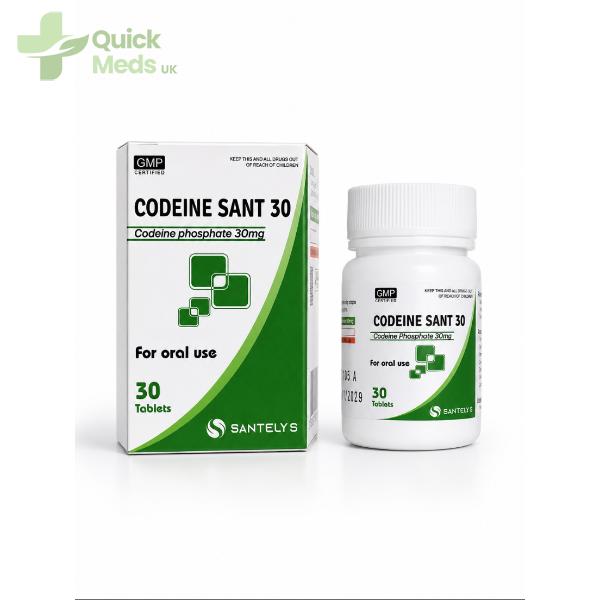
Codeine Phosphate 30mg Santelys
Codeine Phosphate 30mg Santelys for pain relief Effective for mild to moderate pain Relieves headaches, toothaches, and muscle aches
£43.50Order treatment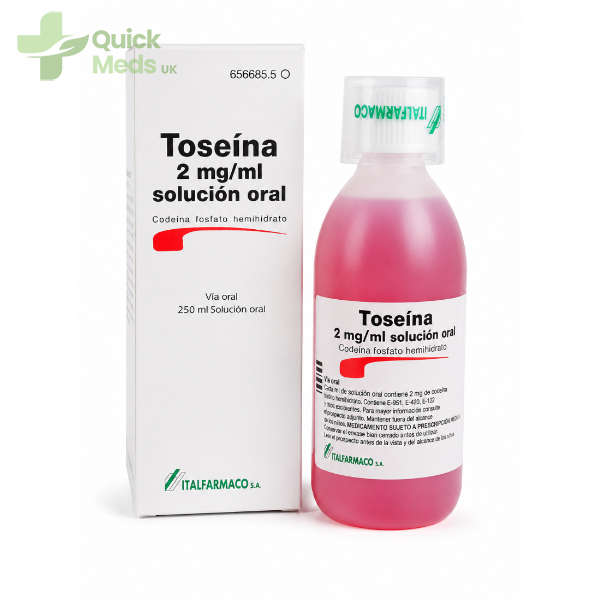
Toseina Codeine Phosphate hemihydrate 2mg
Toseina Codeine Phosphate hemihydrate 2mg for relief Effective pain management
£79.99Order treatment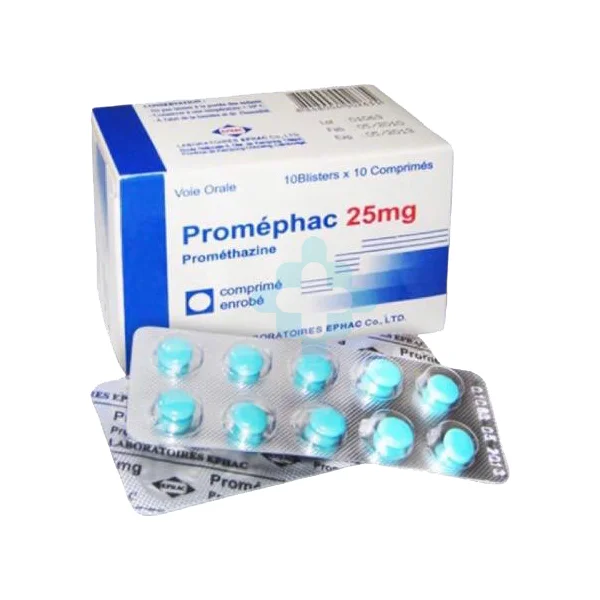
Promethazine 25mg
What is Promethazine 25mg? Promethazine tablets are a remedy that can be used to ease symptoms of hay fever, travel sickness, sleep disturba
£33.00Order treatment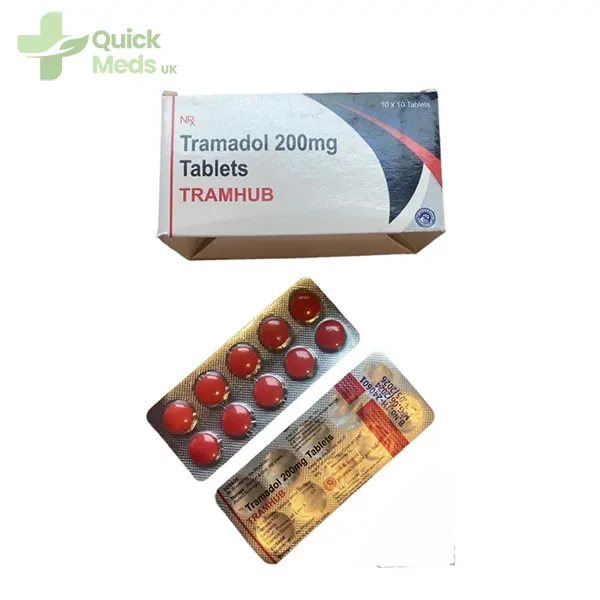
Tramadol 200mg (Tramhub) Tablets
What is Tramadol 200mg by Tramhub? Tramadol 200mg an opioid pain relief medication used for the relief of moderate to severe pain. Tramadol
£54.00Order treatment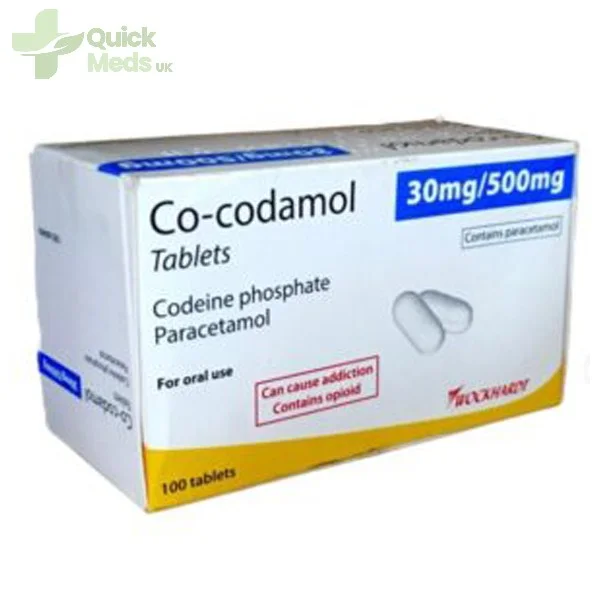
Co codamol Tablets 30mg
Order treatmentTreatments listed here are offered subject to online consultation. GPhC-registered pharmacy.
References
- Curcumin: A Review of Its Effects on Human Healthpubmed.ncbi.nlm.nih.gov
- Willow bark extract for low back painpubmed.ncbi.nlm.nih.gov
- Complementary and alternative medicine for chronic painnhs.uk
- Capsaicin for neuropathic painbnf.nice.org.uk
Frequently asked questions
What is the strongest natural pain reliever that is scientifically supported?
Willow bark and curcumin (from turmeric) have the strongest clinical evidence behind them. Willow bark contains salicin, which the body converts to salicylic acid, and several trials have shown meaningful reductions in lower back and osteoarthritis pain. Curcumin has demonstrated anti-inflammatory effects comparable to some non-steroidal anti-inflammatory drugs in certain studies, though standardised, high-bioavailability formulations are needed to see results.
How quickly do natural pain relievers work compared to paracetamol or ibuprofen?
Most natural pain relievers work more slowly than conventional medicines. Paracetamol typically takes 30 to 60 minutes to reduce pain, whereas supplements like curcumin or willow bark may need days or weeks of consistent use before noticeable effects build up. Topical options such as capsaicin cream can act faster locally, often within 20 to 30 minutes, but require regular application over several weeks for lasting benefit.
Is willow bark extract as effective as aspirin for pain relief?
Willow bark and aspirin share a common chemical ancestor, salicin, but they are not identical in effect. Aspirin delivers a precise, fast-acting dose of acetylsalicylic acid, while willow bark releases salicin more slowly and at lower concentrations. Some studies suggest willow bark is gentler on the stomach than aspirin, but it is also generally less potent for acute pain. It is better suited to mild to moderate chronic pain than sudden, severe episodes.
What natural pain reliever works best for chronic versus acute pain?
For chronic inflammatory conditions such as osteoarthritis or lower back pain, turmeric (curcumin), willow bark, and omega-3 fatty acids show the most consistent evidence over time. For acute pain, such as a sudden injury or headache, natural options are generally less effective than conventional medicines and should not replace them. If you are dealing with severe or sudden pain, please speak to a healthcare professional rather than relying solely on natural remedies.
Can you combine multiple natural pain relievers safely?
Combining natural remedies can sometimes improve results, but it also introduces risks. Willow bark, for example, should not be combined with aspirin or anticoagulants because of additive blood-thinning effects. Ginger and turmeric together may enhance anti-inflammatory action, but both can affect platelet function. Always speak to a pharmacist or GP before combining natural remedies, especially if you take prescription medicines.
What is the strongest natural pain reliever for nerve pain specifically?
Capsaicin is probably the most evidence-backed natural option for neuropathic (nerve) pain. It works by depleting substance P, a chemical involved in pain signalling, and is available in both low-strength over-the-counter creams and high-concentration prescription patches. Alpha-lipoic acid and evening primrose oil also have some evidence for nerve pain, particularly in diabetic neuropathy, though results are variable.
Are there any side effects or risks with strong natural pain relievers?
Yes. Natural does not automatically mean safe. Willow bark can cause stomach upset and should be avoided by people allergic to aspirin or taking blood thinners. High-dose turmeric supplements may interact with anticoagulants and can occasionally cause digestive issues. Capsaicin causes a burning sensation on the skin and must be kept away from eyes. Always check with a pharmacist or GP, especially if you have an existing health condition or take regular medication.
